%22%3E%0A%3Cpath%20d%3D%22M412%20101.2H393.7C393.1%20101.2%20392.3%20100.9%20391.8%20100.5C377.3%2087.6004%20362.9%2074.6004%20348.4%2061.6004C344.8%2058.4004%20341.3%2055.2004%20337.7%2052.0004C337.1%2051.5004%20336.2%2051.1004%20335.5%2051.0004C334.2%2050.8004%20333%2051.0004%20331.5%2051.0004V101.1H316.7V0.100391H331.4V44.3004C331.9%2044.3004%20332.2%2044.4004%20332.5%2044.4004C334.9%2044.4004%20337.2%2044.5004%20339.6%2044.4004C340.4%2044.4004%20341.3%2044.0004%20341.8%2043.5004C351.6%2034.4004%20361.4%2025.2004%20371.1%2016.0004C376.5%2010.9004%20381.9%205.90039%20387.3%200.800391C387.9%200.200391%20388.5%200.000390626%20389.3%200.000390626H400.9C384.2%2015.8004%20367.8%2031.3004%20351.2%2047.0004C371.5%2065.0004%20391.8%2082.9004%20412.1%20100.9C412.1%20101%20412.1%20101.1%20412%20101.2ZM180.9%20101.2C184.1%2094.9004%20187.2%2088.9004%20190.3%2082.8004C198.3%2067.3004%20206.2%2051.8004%20214.2%2036.2004C220.3%2024.4004%20226.4%2012.5004%20232.4%200.700391C232.7%200.100391%20233%20-0.0996094%20233.7%20-0.0996094H248.1C248.8%20-0.0996094%20249.2%200.100391%20249.6%200.800391C256%2013.3004%20262.4%2025.7004%20268.8%2038.2004C279.3%2058.6004%20289.8%2079.0004%20300.3%2099.5004C300.5%20100%20300.8%20100.4%20301.1%20101.1C300.5%20101.1%20300.1%20101.2%20299.7%20101.2H286.5C285.6%20101.2%20285.1%20100.9%20284.7%20100.2C280.1%2091.3004%20275.4%2082.4004%20270.8%2073.4004C270.1%2072.1004%20269.3%2071.6004%20267.8%2071.6004H209.9C208.7%2071.6004%20208.1%2072.0004%20207.5%2073.1004C202.9%2082.1004%20198.2%2091.0004%20193.6%20100C193.1%20101%20192.6%20101.3%20191.5%20101.3C188.4%20101.2%20185.3%20101.3%20182.3%20101.3C182%20101.2%20181.6%20101.2%20180.9%20101.2ZM239.1%2011.4004C230%2029.2004%20221.1%2046.7004%20212.1%2064.3004H266.4C257.2%2046.7004%20248.2%2029.2004%20239.1%2011.4004ZM0%200.000390626H43.4C51.2%200.000390626%2058.7%201.20039%2065.7%204.80039C75.9%2010.0004%2078.9%2018.0004%2078.6%2027.4004C78.3%2034.3004%2076%2040.5004%2071.2%2045.5004C67.3%2049.6004%2062.4%2052.3004%2057.1%2054.3004C50.6%2056.7004%2043.9%2058.0004%2037.1%2058.6004C30.1%2059.2004%2023.1%2059.4004%2016.2%2059.7004C15.8%2059.7004%2015.3%2059.8004%2014.8%2059.8004V101.1H0.1C0%2067.4004%200%2033.8004%200%200.000390626ZM14.8%207.10039V52.2004C23.7%2052.4004%2032.6%2052.3004%2041.2%2050.1004C44.4%2049.3004%2047.6%2048.2004%2050.6%2046.7004C58.4%2043.0004%2062.3%2036.7004%2062.7%2028.0004C63%2019.9004%2059.5%2014.1004%2052.4%2010.5004C47.6%208.00039%2042.5%207.10039%2037.2%207.10039H14.8ZM95.9%20101.1V0.100391H167.3V7.20039H110.7V44.7004H158.1V51.9004H110.8V93.9004H171.1V101C146.1%20101.1%20121%20101.1%2095.9%20101.1Z%22%20fill%3D%22black%22%2F%3E%0A%3Cpath%20d%3D%22M35.0004%2025.7996H42.5004V20.6996H44.8004V33.1996H42.6004V27.5996H34.9004V33.2996H32.7004V20.7996H35.0004V25.7996ZM54.4004%2025.8996V27.2996H48.9004V31.6996H55.9004C55.9004%2032.1996%2056.0004%2032.5996%2056.0004%2033.0996H46.5004V20.5996H55.5004V21.8996H49.0004V25.7996C50.7004%2025.8996%2052.5004%2025.8996%2054.4004%2025.8996ZM25.9004%2033.0996H23.5004V21.9996H17.9004V20.6996H31.6004V22.0996H27.1004C26.2004%2022.0996%2025.9004%2022.2996%2025.9004%2023.1996C26.0004%2026.0996%2025.9004%2028.9996%2025.9004%2031.7996V33.0996Z%22%20fill%3D%22black%22%2F%3E%0A%3C%2Fg%3E%0A%3Cdefs%3E%0A%3CclipPath%20id%3D%22clip0_388_462%22%3E%0A%3Crect%20width%3D%22411%22%20height%3D%22101.2%22%20fill%3D%22white%22%2F%3E%0A%3C%2FclipPath%3E%0A%3C%2Fdefs%3E%0A%3C%2Fsvg%3E%0A)
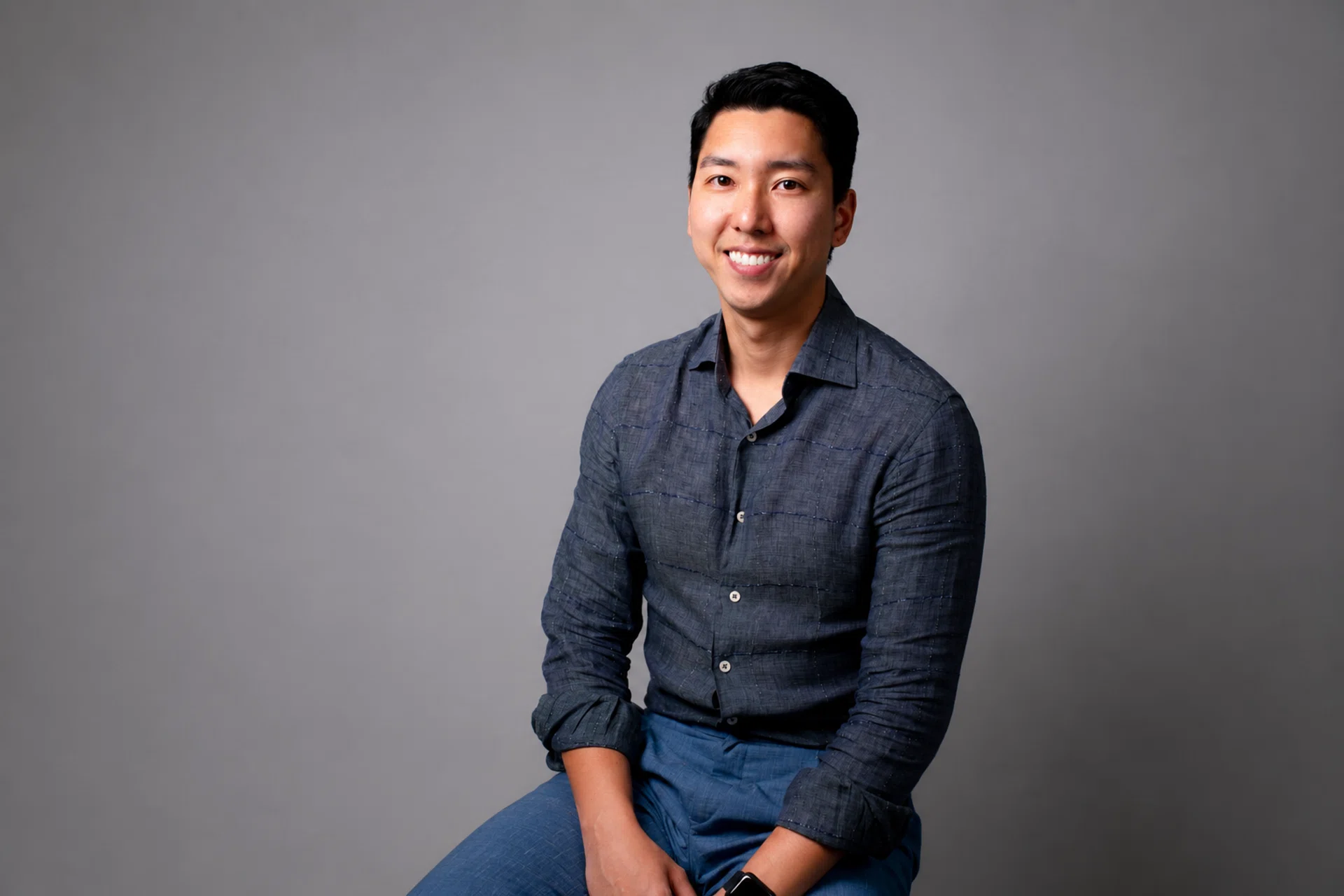
At JING, the hardest thing Jack Kwong refused to simplify was the table.
The easier version of the business was obvious enough. Most hotpot or grill chains pick one heat source, build the entire operation around that decision, and let the efficiencies follow. One service flow. One cleaning routine. One training system. More covers per square foot. Cleaner unit economics.
JING, the halal Chinese-style hotpot and grill buffet that Kwong co-founded, chose a more laborious proposition. Every diner gets an individual hotpot with a broth of their choice, while the centre of the table holds a communal grill. It sounds like a hospitable flourish until Kwong lays out the operational implications.
“That means more equipment per cover, more table real estate per cover, more complex training for our floor team, and a longer prep cycle before every service,” he explains. “Functionally, we run two restaurants at every table.”
For a young F&B operator in Singapore, where rent already behaves like a second business partner with none of the sentimentality, this is an expensive decision. JING carries fewer covers per square foot than a single-format hotpot chain would on the same rent base. At KINEX, where the brand is now in the second year of its first three-year lease, that difference compounds.
Still, for Kwong, the format is not decoration. It is the entire argument. “The whole reason JING works for diverse tables is that nobody has to compromise inside the meal,” he says.
“The vegetarian’s broth is clean, untouched by anyone else’s meat. The Muslim diner sets the rules for their own pot. The colleague at a corporate dinner who’s gluten-free, dairy-free, or just doesn’t like spicy food isn’t dependent on what the rest of the table ordered. And the grill at the centre keeps the experience social — you’re still eating together, still sharing food off the same fire.”
The point is deceptively simple: most restaurants include people by making exceptions. JING attempts to remove the need for exception altogether.
The price of inclusion
Singapore’s dining culture has always known how to hold differences at the same table. Hawker centres have been doing it for decades: one person buys mee rebus, another gets chicken rice, another orders vegetarian bee hoon, and everyone returns to the same table without the meal needing to be identical.
Kwong did not begin with that theory. The original insight, he admits, was commercial. Corporate bookers kept asking some version of the same question: Where could teams with different dietary needs actually eat together?
“The strategic answer was straightforward: individual hotpots for the dietary diversity, a shared grill for the social ritual,” he recalls. “We weren’t trying to express a cultural philosophy. We were trying to win the booking.”
Only after nearly two years of operating did the cultural logic become clearer to him. JING had taken a deeply Singaporean way of eating and rebuilt it as premium hospitality.
“Most premium restaurants are designed top-down,” Kwong observes. “They start with a cuisine, or a chef’s vision, and then accommodate dietary needs as exceptions. The allergen list on request. A halal option on the menu. A vegetarian section at the back. The architecture starts with food, and then tries to include people.”
JING reverses that order. Halal assurance becomes the baseline, rather than the add-on. From there, vegetarians choose their own broths and ingredients; Hindu diners navigate the buffet with fewer compromises; non-Muslim diners, if the food works, barely need to register the framework at all.
Kwong compares it to universal design in architecture, where a building planned for wheelchair access ends up serving parents with prams, elderly visitors, delivery workers, and everyone else moving through the space. The accommodation becomes the foundation.
The price of inclusivity
That foundation, however, has a cost. And in Kwong’s telling, the most underestimated cost of inclusivity does not sit neatly under food, labour, or training, though all three matter. JING’s food cost, he notes, runs three to four percentage points higher than comparable hotpot operators at its price point.
Its floor team also needs longer training because they must answer real questions about broth contents, ingredient sourcing, allergens, and dietary suitability on the spot.
Yet, the more demanding cost sits in marketing.
“A halal-first brand runs one efficient marketing motion. One audience, one voice, one set of channels, one set of KOLs,” he points out. “We can’t do that. Our audience isn’t one group, it’s several — foodies looking for a premium dining occasion, corporate organisers planning team meals, the existing Muslim community we grew with, vegetarians and Hindus who’d normally avoid Chinese hotpot, tourists looking for a Singaporean dining experience.”
Each audience requires a different conversation. A corporate organiser does not care about the same things as a foodie. A tourist does not discover the brand through the same surfaces as a family planning a celebration. The work becomes less about spending more and more and more about thinking harder, more often.
“Marketing is operational for inclusive brands in a way it isn’t for everyone else,” Kwong says. “Halal-first brands can let marketing run on a budget. Inclusive brands have to let it run on attention.”
The brand’s Mother’s Day collaboration with Aunty Veron, a Peranakan home cook, illustrates the point. It required ingredient sourcing, recipe development, floor-team briefing, content production, and scheduling around the collaborator’s availability. Deepavali featured a similar spread, with curated dishes such as tandoori prawns, tandoori chicken, and payasam.
“We choose this route because it’s how the brand honours Singapore’s food traditions, and that direction is something Noura, as our creative director, has pushed us into,” he reflects. “It’s one of the things I’m proudest of about how we operate, but it has a real-time cost that doesn’t show up as marketing spend.”
The discipline beneath abundance
All-you-can-eat (AYCE) dining invites a particular suspicion. Customers tend to assume the business model depends on compromised ingredients, hidden shortcuts, or the operator quietly betting that diners will eat less than they think. Kwong rejects the mythology, though he understands where it comes from.
“The misunderstanding most customers have is that AYCE means they’re buying quantity,” he says. “That the operator’s margin depends on hoping diners don’t eat too much, and that premium AYCE must therefore involve compromised quality somewhere — cheaper meat, smaller portions, generic ice cream and coffee. It doesn’t work that way.”
At JING, the $47.90 price point is calibrated against average consumption, not the outlier diner determined to test the outer limits of a buffet. More importantly, the format itself shapes behaviour. Diners select raw ingredients, return to the table, cook them in their own pot or on the shared grill, eat, then go back again. The cycle naturally slows the meal.
“We aren’t slowing anyone down — the format does that work naturally, and the slow-cook-linger rhythm is what makes the meal feel like dining rather than refuelling,” Kwong explains.
The value equation, then, sits in the perception gap between what the price suggests and what the experience delivers: fresh broths, marinated ingredients, Dutch Colony coffee, Häagen-Dazs ice cream, Delifrance lava cake for celebrations, a room built for everything from corporate dinners to family meals, and a service team held to a hospitality standard shaped by co-founder Imran’s background in five-star international hotels.
“The customer perceives a more expensive experience than they paid for,” he says. “The economics work because we deliver that experience at consistent volume and with disciplined operations — controlled COGS, low waste, the format doing its own pacing, and a kitchen that can sustain quality through a full service.”
This is where JING’s growth story becomes more interesting than the usual F&B expansion narrative. Kwong has looked at second locations — the numbers could work. Still, he has chosen restraint.
“The test is whether outlet #1 is a blueprint or a charismatic experiment,” he offers. “From the outside, they look identical. The difference is whether the system lives outside the founders’ heads — recipes documented, service standards codified, hiring filters that an outside manager can apply, SOPs that don’t require Imran or me to be in the building.”
Until that happens, outlet two becomes less like scale and more like self-flattery with rent attached. “I can’t tell you whether our brand and marketing strategy is built for scale,” Kwong continues. “I can’t tell you what our customer retention rate will be when JING Circle is at design capacity. I can’t tell you whether we can hold food cost at our target across a full operating year.”
For now, the foundations matter more than the optics of momentum.
That patience may soon meet the part of Singapore F&B that tests every young operator’s idealism: lease renewal. Kwong speaks with unusual candour about the theatre of “supporting local F&B” when the underlying rental structures still treat young local operators and international chains as though they carry the same risk.
“The lease structure that governs F&B in Singapore mall properties is blind to operator type,” he argues. “Same base rent per square foot. Same GTO percentage. Same fit-out amortisation window. A two-year-old local operator pays what a 200-outlet international chain pays for the same floor.”
The real test, he believes, comes at renewal. Landlords can hold increases modestly, recognise the brand equity a tenant has built, or offer longer terms with more predictable rates. They can also reset rent to whatever the market will bear. “If they choose the latter, that wipes us out,” he says. “We won’t be the only ones.
What JING aims to be
For all its operational specificity, JING is ultimately wrestling with a larger question about what Singaporean hospitality can mean when the table grows more diverse, dietary needs become more visible, and diners want personalisation without losing the emotional grammar of eating together.
Kwong resists placing himself too centrally in that answer. He is Chinese, and JING’s format draws from Chinese-style hotpot, but he is careful to point out that the culinary direction belongs to Aishah, who leads the broths, marinades, ingredient standards, and buffet decisions. Noura carries the creative and brand direction. His role sits in the commercial and operational conditions that allow their work to hold.
“What I’ve learned is that the right to interpret a cuisine is earned through depth — through actually understanding what you’re changing, why the original is the way it is, what’s at stake when you adapt it,” he says. “Ethnicity doesn’t confer that depth. It might give familiarity, which is a starting point, but no more.”
That humility may explain the brand’s most compelling tension. JING sounds, at first, like a clever F&B concept: halal Chinese-style hotpot and grill buffet for Singapore’s mixed tables. But Kwong is already trying to move the brand away from novelty and towards a more durable category.
“We don’t compete in ‘Chinese F&B Singapore.’ We compete in ‘premium dining for the most diverse table in the room’,” he says.
The hotpot and grill may be the format. The deeper business is the occasion: the office team meal, the multi-generational gathering, the mixed-faith birthday dinner, the table where nobody wants to make a speech about compromise before dinner can begin.
“What JING needs to become, then, is a brand defined by the customer occasion it owns — the diverse premium table — and the operational and cultural depth that delivers it consistently,” he says.
For a two-year-old restaurant, that may sound ambitious. Kwong does not pretend otherwise.
“Two years feels long when you’re inside it, but it’s barely enough time to know what you don’t know,” he says. “The brand keeps telling us what it wants to be — and we’re still learning to listen, to the team, to the customers, to the operation itself. I have more questions today than I did when I started. That’s probably the right state to be in, but only time will tell.”