%22%3E%0A%3Cpath%20d%3D%22M412%20101.2H393.7C393.1%20101.2%20392.3%20100.9%20391.8%20100.5C377.3%2087.6004%20362.9%2074.6004%20348.4%2061.6004C344.8%2058.4004%20341.3%2055.2004%20337.7%2052.0004C337.1%2051.5004%20336.2%2051.1004%20335.5%2051.0004C334.2%2050.8004%20333%2051.0004%20331.5%2051.0004V101.1H316.7V0.100391H331.4V44.3004C331.9%2044.3004%20332.2%2044.4004%20332.5%2044.4004C334.9%2044.4004%20337.2%2044.5004%20339.6%2044.4004C340.4%2044.4004%20341.3%2044.0004%20341.8%2043.5004C351.6%2034.4004%20361.4%2025.2004%20371.1%2016.0004C376.5%2010.9004%20381.9%205.90039%20387.3%200.800391C387.9%200.200391%20388.5%200.000390626%20389.3%200.000390626H400.9C384.2%2015.8004%20367.8%2031.3004%20351.2%2047.0004C371.5%2065.0004%20391.8%2082.9004%20412.1%20100.9C412.1%20101%20412.1%20101.1%20412%20101.2ZM180.9%20101.2C184.1%2094.9004%20187.2%2088.9004%20190.3%2082.8004C198.3%2067.3004%20206.2%2051.8004%20214.2%2036.2004C220.3%2024.4004%20226.4%2012.5004%20232.4%200.700391C232.7%200.100391%20233%20-0.0996094%20233.7%20-0.0996094H248.1C248.8%20-0.0996094%20249.2%200.100391%20249.6%200.800391C256%2013.3004%20262.4%2025.7004%20268.8%2038.2004C279.3%2058.6004%20289.8%2079.0004%20300.3%2099.5004C300.5%20100%20300.8%20100.4%20301.1%20101.1C300.5%20101.1%20300.1%20101.2%20299.7%20101.2H286.5C285.6%20101.2%20285.1%20100.9%20284.7%20100.2C280.1%2091.3004%20275.4%2082.4004%20270.8%2073.4004C270.1%2072.1004%20269.3%2071.6004%20267.8%2071.6004H209.9C208.7%2071.6004%20208.1%2072.0004%20207.5%2073.1004C202.9%2082.1004%20198.2%2091.0004%20193.6%20100C193.1%20101%20192.6%20101.3%20191.5%20101.3C188.4%20101.2%20185.3%20101.3%20182.3%20101.3C182%20101.2%20181.6%20101.2%20180.9%20101.2ZM239.1%2011.4004C230%2029.2004%20221.1%2046.7004%20212.1%2064.3004H266.4C257.2%2046.7004%20248.2%2029.2004%20239.1%2011.4004ZM0%200.000390626H43.4C51.2%200.000390626%2058.7%201.20039%2065.7%204.80039C75.9%2010.0004%2078.9%2018.0004%2078.6%2027.4004C78.3%2034.3004%2076%2040.5004%2071.2%2045.5004C67.3%2049.6004%2062.4%2052.3004%2057.1%2054.3004C50.6%2056.7004%2043.9%2058.0004%2037.1%2058.6004C30.1%2059.2004%2023.1%2059.4004%2016.2%2059.7004C15.8%2059.7004%2015.3%2059.8004%2014.8%2059.8004V101.1H0.1C0%2067.4004%200%2033.8004%200%200.000390626ZM14.8%207.10039V52.2004C23.7%2052.4004%2032.6%2052.3004%2041.2%2050.1004C44.4%2049.3004%2047.6%2048.2004%2050.6%2046.7004C58.4%2043.0004%2062.3%2036.7004%2062.7%2028.0004C63%2019.9004%2059.5%2014.1004%2052.4%2010.5004C47.6%208.00039%2042.5%207.10039%2037.2%207.10039H14.8ZM95.9%20101.1V0.100391H167.3V7.20039H110.7V44.7004H158.1V51.9004H110.8V93.9004H171.1V101C146.1%20101.1%20121%20101.1%2095.9%20101.1Z%22%20fill%3D%22black%22%2F%3E%0A%3Cpath%20d%3D%22M35.0004%2025.7996H42.5004V20.6996H44.8004V33.1996H42.6004V27.5996H34.9004V33.2996H32.7004V20.7996H35.0004V25.7996ZM54.4004%2025.8996V27.2996H48.9004V31.6996H55.9004C55.9004%2032.1996%2056.0004%2032.5996%2056.0004%2033.0996H46.5004V20.5996H55.5004V21.8996H49.0004V25.7996C50.7004%2025.8996%2052.5004%2025.8996%2054.4004%2025.8996ZM25.9004%2033.0996H23.5004V21.9996H17.9004V20.6996H31.6004V22.0996H27.1004C26.2004%2022.0996%2025.9004%2022.2996%2025.9004%2023.1996C26.0004%2026.0996%2025.9004%2028.9996%2025.9004%2031.7996V33.0996Z%22%20fill%3D%22black%22%2F%3E%0A%3C%2Fg%3E%0A%3Cdefs%3E%0A%3CclipPath%20id%3D%22clip0_388_462%22%3E%0A%3Crect%20width%3D%22411%22%20height%3D%22101.2%22%20fill%3D%22white%22%2F%3E%0A%3C%2FclipPath%3E%0A%3C%2Fdefs%3E%0A%3C%2Fsvg%3E%0A)
Rolex and National Geographic Society are bringing more than 70 years of exploration into a new era
The partners behind some of the world’s most ambitious expeditions deepen their decades-long alliance with the new National Geographic Base Camp in Washington, D.C.
By Yanni Tan /
Share this article
Did you know that Rolex, which has been actively supporting trailblazing explorers since the 1930s, had equipped the expedition in which Sir Edmund Hillary and Tenzing Norgay summited Mount Everest successfully in 1953?
After National Geographic Society’s eponymous magazine ran a story the following year about the historic expedition, a natural partnership between Rolex and the Society was born.
While their shared spirit of discovery over the years led to continued support for changemakers exploring new realms, it was in 2019 that this partnership was enhanced, becoming a central pillar of the Rolex Perpetual Planet Initiative.
On such an enduring alliance that lasted over 70 years and counting, Ian Miller, National Geographic Society’s Chief Science and Innovation Officer, said, “We share an underlying drive to explore and innovate.”
Into the future
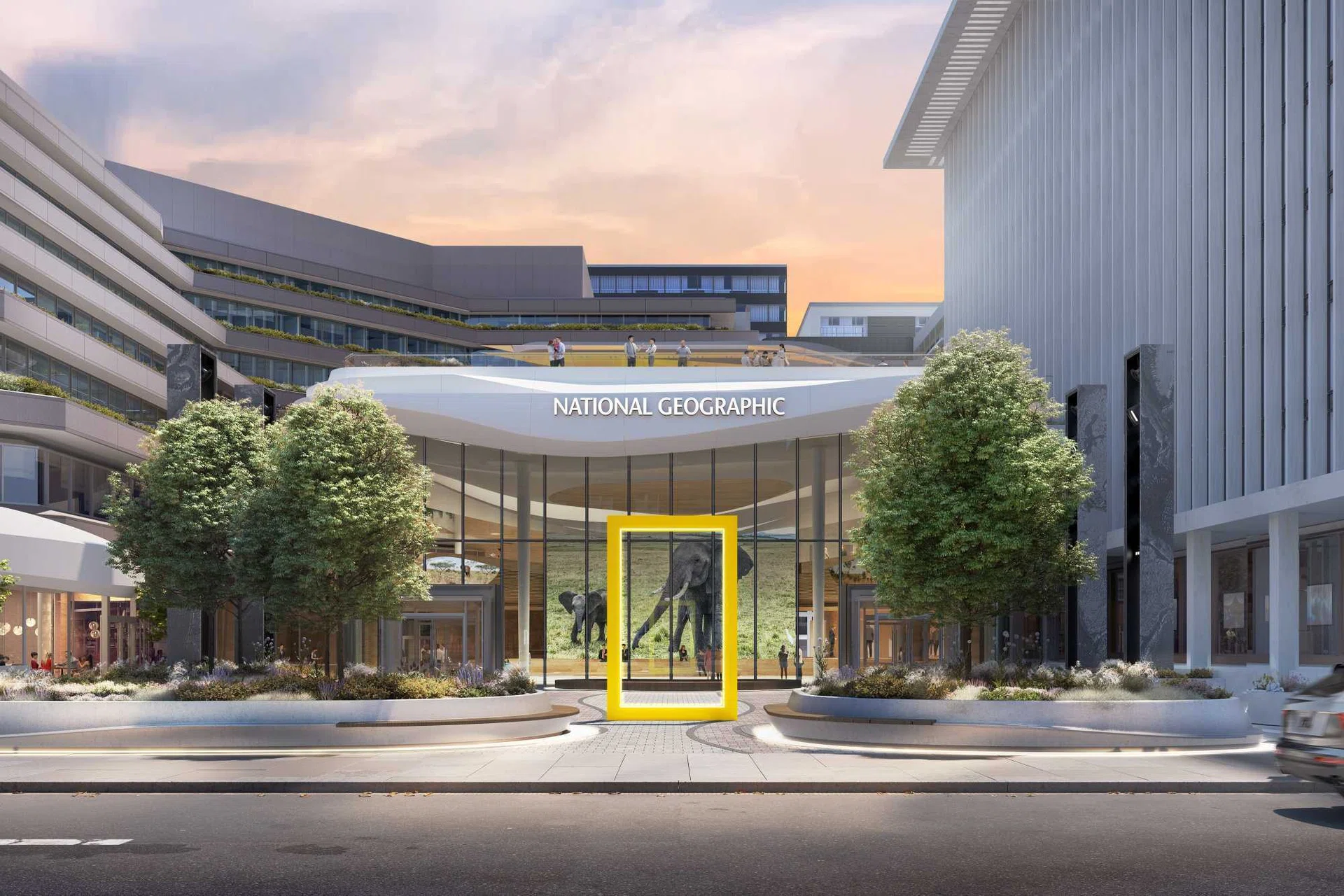
Now that the Society is embarking on its next chapter with the transformation of its headquarters in Washington, D.C., called the National Geographic Base Camp, Rolex is supporting the project as a Founding Donor.
A place for National Geographic Explorers to call home when they return from the field, the reimagined Base Camp is where they can share what they have learnt, connect with other Explorers, and engage visitors of all backgrounds. The new and improved campus will better equip this community as part of Rolex and the National Geographic Society’s joint commitment to exploring, protecting, and illuminating the wonders of our world.
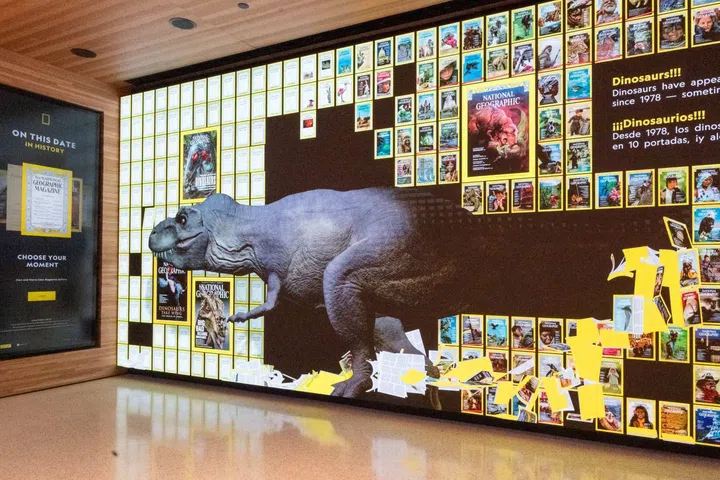
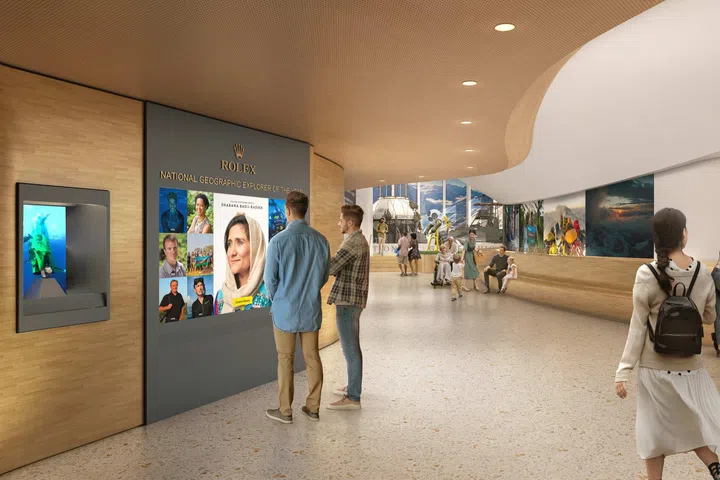
Inside the Base Camp is also a brand-new public attraction called the Museum of Exploration, and Rolex is proud to be the Grand Opening Partner. Using cutting-edge technology and powerful storytelling, the museum will showcase the work of National Geographic Explorers all over the planet.
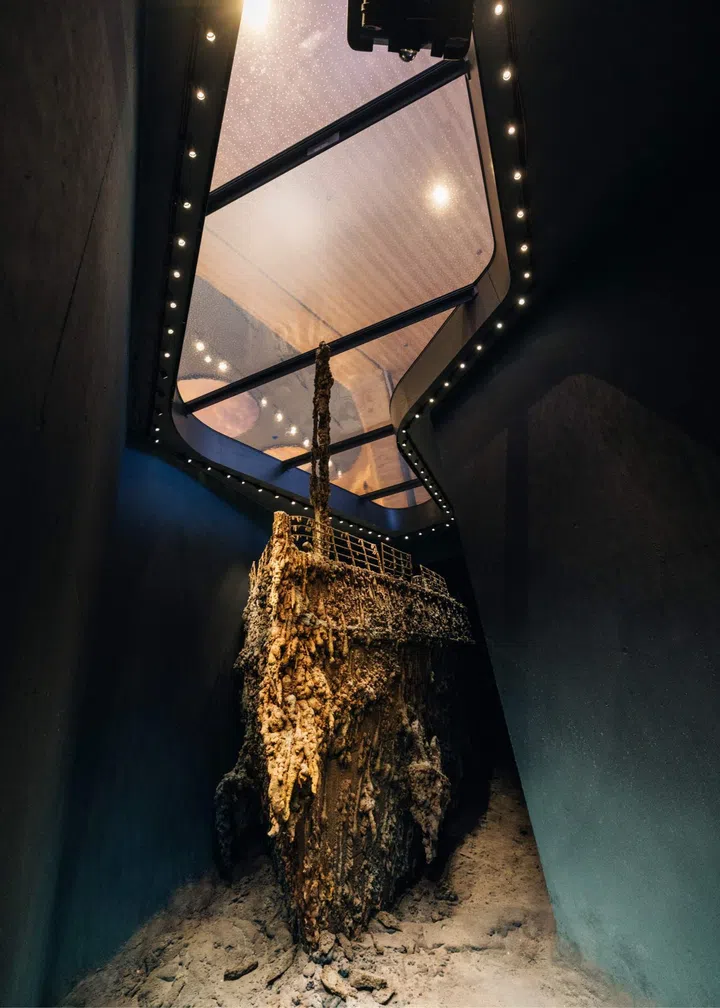
By inviting members of the public to engage in immersive, interactive, and educational experiences and exhibitions, the Museum will amplify the Explorers’ work and connect them to the Society’s mission like never before.
Arnaud Boetsch, Director of Communication and Image of Rolex SA, explained its impact, “There is something very powerful about creating a space where exploration becomes real for people. Through the revamped Base Camp, including the Rolex Explorers Landing, visitors will be able to see not only the achievements, but also the curiosity, commitment and long-term effort behind them.”
He added, “We are grateful to the National Geographic Society for its partnership and shared dedication to advancing exploration.”
Discoveries come alive
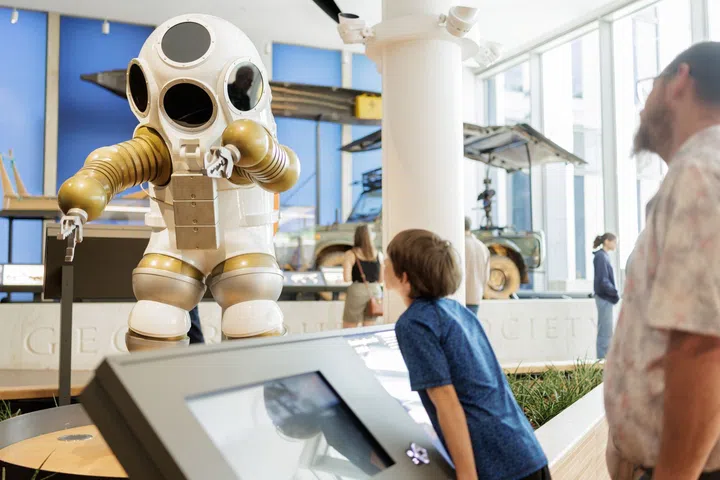
The Rolex Explorers Landing showcases items from landmark expeditions, such as the pressurised diving suit that Rolex Testimonee Sylvia Earle wore when she completed the deepest-ever untethered sea walk in 1979.
It is organised into four areas – Spark, Trek, Purpose and Impact – that follow the journey of exploration, from the first spark of an idea to the impact they have on the world. This space will also include the Perpetual Planet Expeditions Reader Rail, which will display information about the Rolex and National Geographic Perpetual Planet Expeditions and present the latest findings from the field in almost real time.
These expeditions conduct scientific research documenting the impact of climate change on fragile mountain, rainforest, and ocean ecosystems. From Everest and the Amazon River Basin to the depths of the world’s oceans, they have marked significant firsts and milestones, while collaborating with local communities to help protect some of the Earth’s most vital systems.
Such a strong show of commitment is of the utmost importance to Colombian marine biologist Fernando Trujillo, who is the 2024 Rolex National Geographic Explorer of the Year, and Explorer on the Rolex and National Geographic Perpetual Planet Amazon Expedition.
“In conservation, we cannot afford to only have one year of support. We need to build these projects over time. The Perpetual Planet Expeditions are National Geographic and Rolex coming together, and they’re fantastic because they’re projects that last three or four years,” he emphasised.
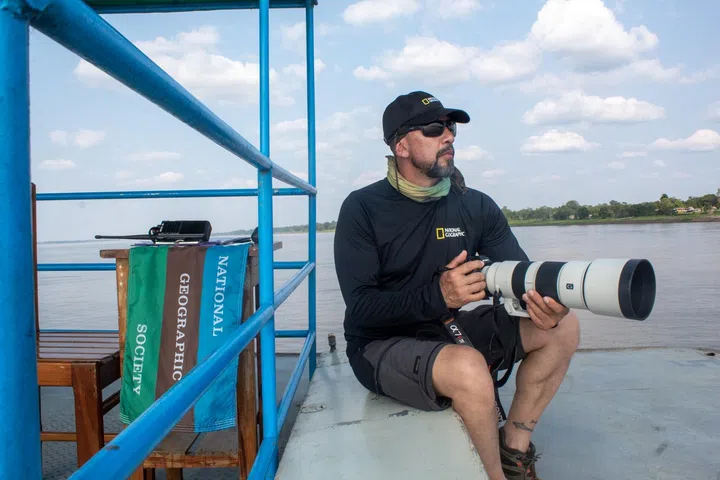
Trujillo is one of many individuals named Rolex National Geographic Explorer of the Year by the two organisations since 2011, during the Society’s annual Explorers Festival. The title honours leaders in exploration who, through storytelling, shine a critical light on important challenges facing our planet, inspiring action for a more sustainable future.
This year’s recipient is Indian conservation biologist Krithi K. Karanth, already a 2019 Rolex Awards Laureate, who has dedicated her career to reducing wildlife-human conflict in India, launching a nationwide education programme that has reached over 50,000 children.
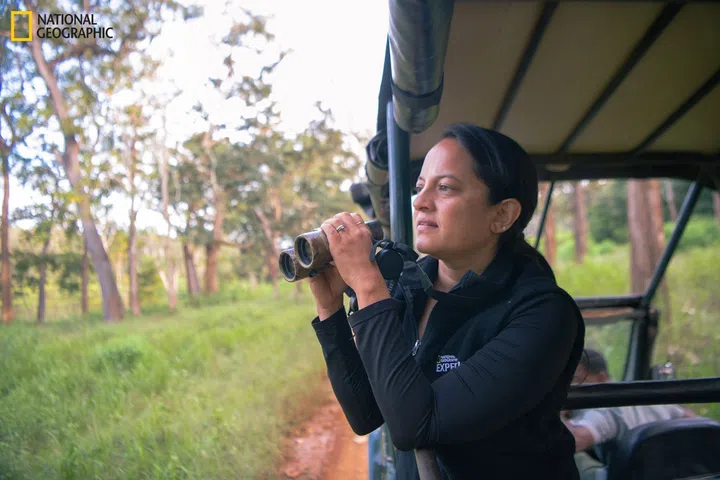
Karanth’s work is part of the wider Rolex Perpetual Planet Initiative, launched in 2019 to support those exploring, protecting, and restoring the natural world. Today, the Initiative has a portfolio of more than 30 partners across three main focus areas: Oceans; Landscapes; and Science, Health, and Technology.
From Mission Blue and Coral Gardeners to the National Geographic Society, Rewilding Argentina, and the Royal Geographical Society, Rolex’s support now extends well beyond exploration for discovery’s sake. It reflects the brand’s belief that protecting the planet is one of the defining expeditions of our time.