%22%3E%0A%3Cpath%20d%3D%22M412%20101.2H393.7C393.1%20101.2%20392.3%20100.9%20391.8%20100.5C377.3%2087.6004%20362.9%2074.6004%20348.4%2061.6004C344.8%2058.4004%20341.3%2055.2004%20337.7%2052.0004C337.1%2051.5004%20336.2%2051.1004%20335.5%2051.0004C334.2%2050.8004%20333%2051.0004%20331.5%2051.0004V101.1H316.7V0.100391H331.4V44.3004C331.9%2044.3004%20332.2%2044.4004%20332.5%2044.4004C334.9%2044.4004%20337.2%2044.5004%20339.6%2044.4004C340.4%2044.4004%20341.3%2044.0004%20341.8%2043.5004C351.6%2034.4004%20361.4%2025.2004%20371.1%2016.0004C376.5%2010.9004%20381.9%205.90039%20387.3%200.800391C387.9%200.200391%20388.5%200.000390626%20389.3%200.000390626H400.9C384.2%2015.8004%20367.8%2031.3004%20351.2%2047.0004C371.5%2065.0004%20391.8%2082.9004%20412.1%20100.9C412.1%20101%20412.1%20101.1%20412%20101.2ZM180.9%20101.2C184.1%2094.9004%20187.2%2088.9004%20190.3%2082.8004C198.3%2067.3004%20206.2%2051.8004%20214.2%2036.2004C220.3%2024.4004%20226.4%2012.5004%20232.4%200.700391C232.7%200.100391%20233%20-0.0996094%20233.7%20-0.0996094H248.1C248.8%20-0.0996094%20249.2%200.100391%20249.6%200.800391C256%2013.3004%20262.4%2025.7004%20268.8%2038.2004C279.3%2058.6004%20289.8%2079.0004%20300.3%2099.5004C300.5%20100%20300.8%20100.4%20301.1%20101.1C300.5%20101.1%20300.1%20101.2%20299.7%20101.2H286.5C285.6%20101.2%20285.1%20100.9%20284.7%20100.2C280.1%2091.3004%20275.4%2082.4004%20270.8%2073.4004C270.1%2072.1004%20269.3%2071.6004%20267.8%2071.6004H209.9C208.7%2071.6004%20208.1%2072.0004%20207.5%2073.1004C202.9%2082.1004%20198.2%2091.0004%20193.6%20100C193.1%20101%20192.6%20101.3%20191.5%20101.3C188.4%20101.2%20185.3%20101.3%20182.3%20101.3C182%20101.2%20181.6%20101.2%20180.9%20101.2ZM239.1%2011.4004C230%2029.2004%20221.1%2046.7004%20212.1%2064.3004H266.4C257.2%2046.7004%20248.2%2029.2004%20239.1%2011.4004ZM0%200.000390626H43.4C51.2%200.000390626%2058.7%201.20039%2065.7%204.80039C75.9%2010.0004%2078.9%2018.0004%2078.6%2027.4004C78.3%2034.3004%2076%2040.5004%2071.2%2045.5004C67.3%2049.6004%2062.4%2052.3004%2057.1%2054.3004C50.6%2056.7004%2043.9%2058.0004%2037.1%2058.6004C30.1%2059.2004%2023.1%2059.4004%2016.2%2059.7004C15.8%2059.7004%2015.3%2059.8004%2014.8%2059.8004V101.1H0.1C0%2067.4004%200%2033.8004%200%200.000390626ZM14.8%207.10039V52.2004C23.7%2052.4004%2032.6%2052.3004%2041.2%2050.1004C44.4%2049.3004%2047.6%2048.2004%2050.6%2046.7004C58.4%2043.0004%2062.3%2036.7004%2062.7%2028.0004C63%2019.9004%2059.5%2014.1004%2052.4%2010.5004C47.6%208.00039%2042.5%207.10039%2037.2%207.10039H14.8ZM95.9%20101.1V0.100391H167.3V7.20039H110.7V44.7004H158.1V51.9004H110.8V93.9004H171.1V101C146.1%20101.1%20121%20101.1%2095.9%20101.1Z%22%20fill%3D%22black%22%2F%3E%0A%3Cpath%20d%3D%22M35.0004%2025.7996H42.5004V20.6996H44.8004V33.1996H42.6004V27.5996H34.9004V33.2996H32.7004V20.7996H35.0004V25.7996ZM54.4004%2025.8996V27.2996H48.9004V31.6996H55.9004C55.9004%2032.1996%2056.0004%2032.5996%2056.0004%2033.0996H46.5004V20.5996H55.5004V21.8996H49.0004V25.7996C50.7004%2025.8996%2052.5004%2025.8996%2054.4004%2025.8996ZM25.9004%2033.0996H23.5004V21.9996H17.9004V20.6996H31.6004V22.0996H27.1004C26.2004%2022.0996%2025.9004%2022.2996%2025.9004%2023.1996C26.0004%2026.0996%2025.9004%2028.9996%2025.9004%2031.7996V33.0996Z%22%20fill%3D%22black%22%2F%3E%0A%3C%2Fg%3E%0A%3Cdefs%3E%0A%3CclipPath%20id%3D%22clip0_388_462%22%3E%0A%3Crect%20width%3D%22411%22%20height%3D%22101.2%22%20fill%3D%22white%22%2F%3E%0A%3C%2FclipPath%3E%0A%3C%2Fdefs%3E%0A%3C%2Fsvg%3E%0A)
What the 2026 Morgan Stanley × LuxeConsult Swiss watch industry report means for watch lovers
Rolex and Cartier are pulling further ahead, prices continue to rise, and scarcity remains a powerful selling tool. Here are the key takeaways for watch buyers.
By Yanni Tan /
Share this article
Every year, the Morgan Stanley × LuxeConsult report arrives as the closest thing the Swiss watch industry has to a scoreboard. Revenues are estimated, brands are ranked, and market share is dissected.
The 2026 edition confirms something collectors of luxury watches have already sensed: After several years of strong headwinds, the industry is consolidating in power.
Volumes are down. Value is up. And a small number of brands now dominate disproportionately. The top four brands — Rolex, Cartier, Audemars Piguet, and Patek Philippe — now account for approximately 47 per cent of total Swiss watch industry turnover.
Ultimately, as consumers, what does the report mean for the person actually buying the watch?
Rolex is in a league of its own
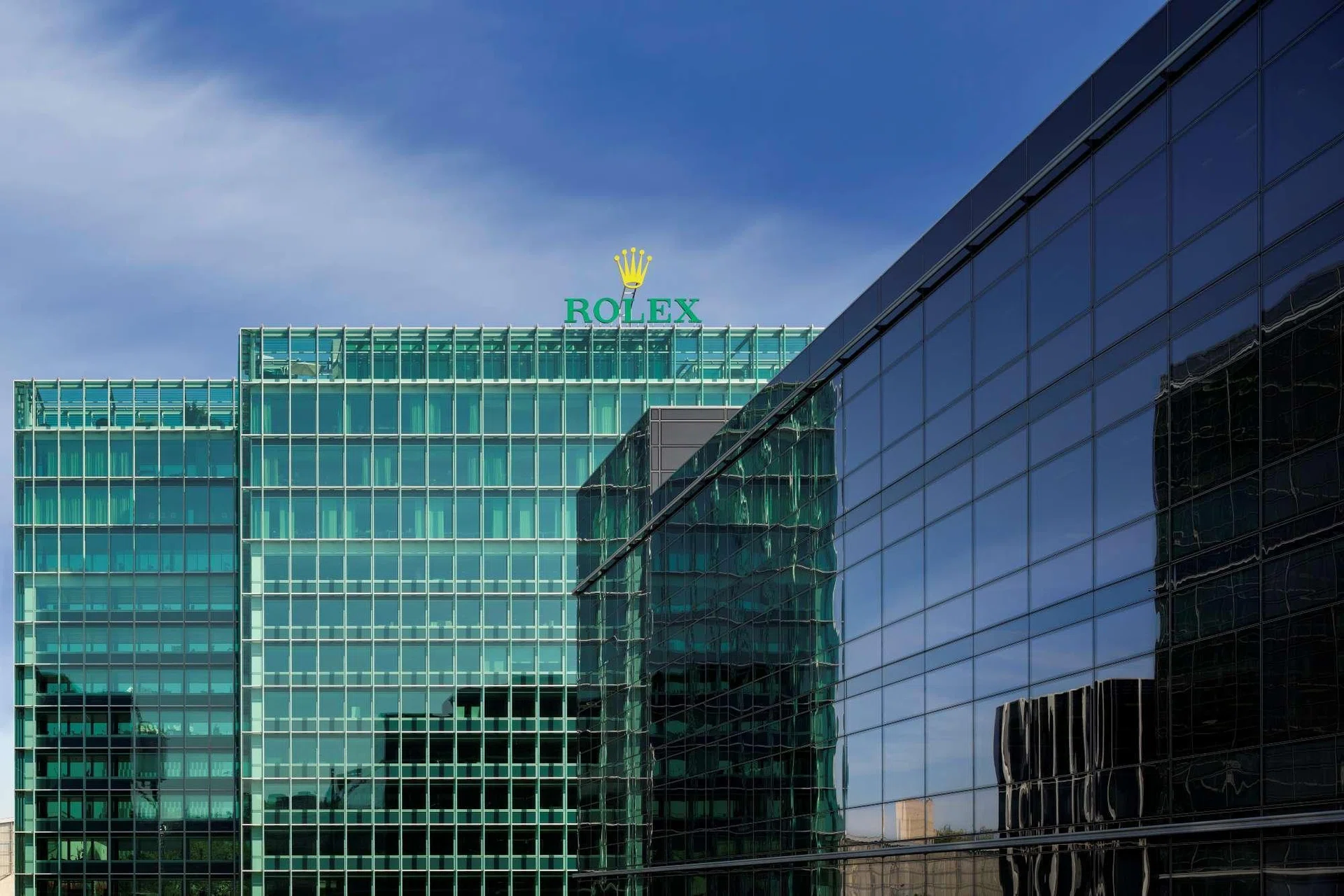
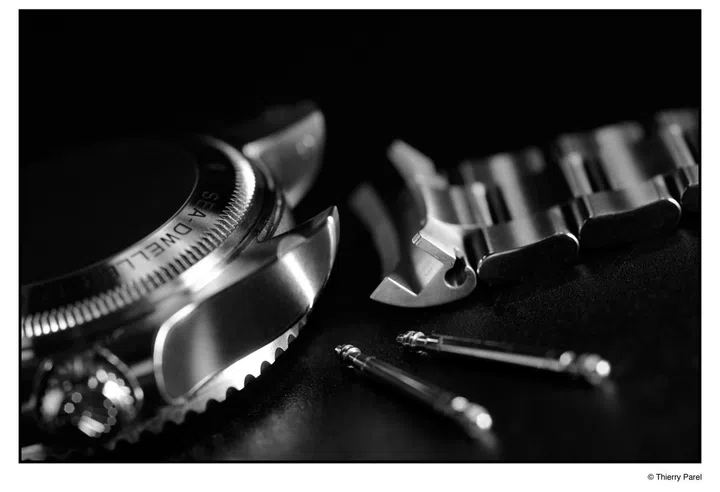
At the summit remains Rolex, with an estimated 2025 turnover of roughly CHF11 billion. That represents roughly one-third of the entire Swiss watch market by value — more than triple its nearest rival. No competitor is remotely close.
Behind this headline figure is something seasoned collectors of luxury watches already know: Rolex’s supply discipline has turned scarcity into strategic positioning. Waiting lists and allocations are part and parcel of becoming a customer, not only with Rolex but other top-tier brands. It also underscores why certain Rolex sport references continue to command outsized demand.
When purchasing at this level, access is part of the brand experience, and it is not about to get easier. If it must be said, relationship capital matters — not just cash.
What this means for you: If you have your heart set on a highly sought-after Rolex, expect the process to take time. Waiting for supply to suddenly improve is unlikely to work. Instead, focus on building a relationship with an authorised retailer and be prepared to explore less obvious references beyond the most coveted sports models.

Cartier Santos-Dumont watch in yellow gold with a black obsidian dial launched at Watches and Wonders 2026
Cartier is a steady powerhouse
Cartier ranks second globally by watch turnover, with estimated sales of approximately CHF3.5 to 3.6 billion, translating to around eight to nine per cent of market share.
After overtaking Omega in the 2024 Morgan Stanley × LuxeConsult report, based on 2023 performance, the French house has cemented its position as the industry’s clear number two by watch turnover — ahead of Audemars Piguet and Patek Philippe in overall value.
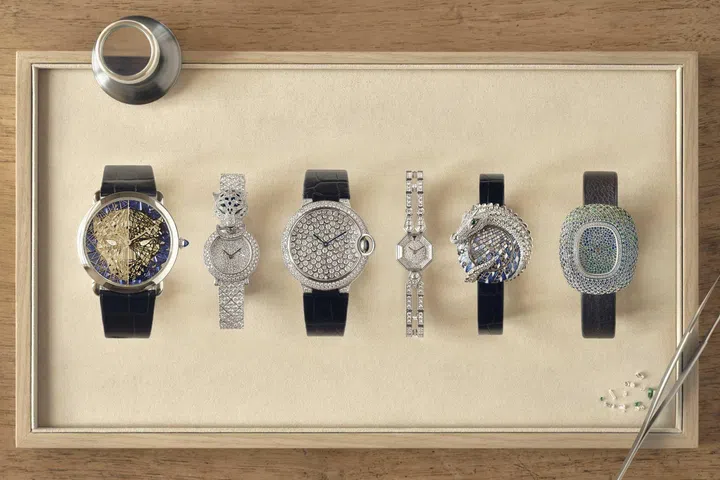
Cartier’s success underscores that design heritage can rival mechanical prestige. The enduring appeal of the Tank, Santos, and Panthere demonstrates that recognisable form and cultural permanence are powerful economic engines. Moreover, its popular jewellery-watch crossovers lie in an ecosystem strength that pure watchmakers cannot replicate.
In a market long dominated by steel sports watches, Cartier’s strength suggests the conversation is broadening. For buyers, this means emotional design equity is proving as resilient as complication counts.
What this means for you: Cartier’s rise is a reminder that watch collecting is not solely about complications or resale value. If you are building a collection today, it may be worth paying closer attention to timeless design and versatility — qualities that have helped the Tank and Santos remain relevant across generations.

The upper tier is consolidating
Audemars Piguet, ranked third in turnover, is estimated to have generated around CHF2.6 billion in revenue in 2025, narrowly ahead of Patek Philippe at approximately CHF2.5 billion.
Meanwhile, Richard Mille continues to punch far above its weight. Ranked sixth globally with estimated turnover of around CHF1.7 billion, it achieved this while producing only a fraction of the watches made by its larger rivals.
The trio illustrates how the industry’s centre of gravity has shifted towards highly exclusive, high-margin watchmaking. Their combined success is driven not by volume, but by scarcity, pricing power, and a clientele willing to spend six figures and beyond on a single timepiece.
The exception is Omega, at fifth position, which remains one of the industry’s largest players with estimated revenue of around CHF2.2 billion. Unlike the ultra-premium maisons, Omega’s strength lies in its breadth, spanning accessible luxury models to high-complication pieces, while maintaining significantly higher production volumes.
Yet its slide from second place a few years ago to fifth today underlines how rapidly value has concentrated among the industry’s most exclusive players.
The message is clear: The greatest growth — and increasingly, the greatest influence — belongs to brands that prioritise exclusivity over scale. In today’s market, selling fewer watches at much higher prices has become a winning formula.
What this means for you: The gap between the industry’s biggest winners and everyone else is widening. If exclusivity and long-term value retention are important to you, expect competition for the most desirable models to remain intense. For everyone else, it may be worth looking beyond the industry’s top tier, where excellent watches remain more readily available.

Premiumisation is the growth engine
One of the report’s most telling statistics is that watches priced above CHF50,000 (S$80,000) account for roughly 37 per cent of export value and nearly 90 per cent of the industry’s growth, despite representing only a tiny fraction of units sold.
In a nutshell, the industry is selling fewer watches — but more expensive ones.
Entry prices into prestige tiers are likely to continue rising. The middle segment faces increasing pressure unless it offers strong design clarity or compelling narrative differentiation.
What this means for you: Luxury watches are unlikely to become more affordable. If there is a watch you genuinely want and can comfortably afford today, do not assume it will still be well-priced a few years from now. Equally, do not mistake a higher price for a better watch — some of the strongest value propositions remain outside the industry’s fastest-growing price brackets.
The boldness of Jacob & Co. pays off
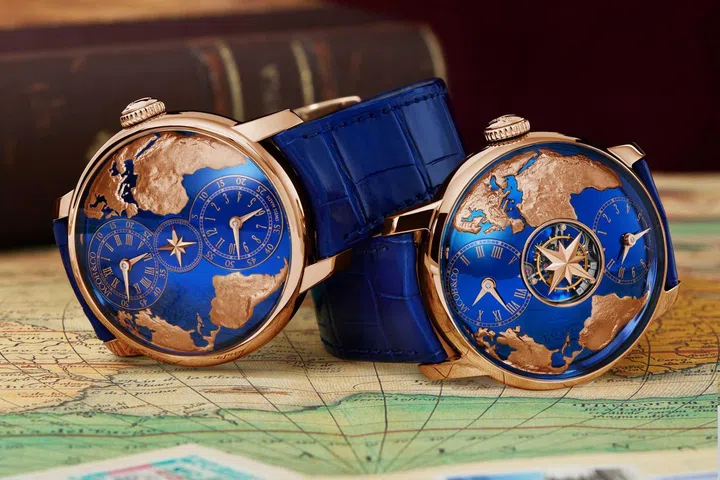
Amid industry contraction, one name stands out for growth: Jacob & Co. Ranked around 27th by turnover, the New York-founded brand with Swiss-made timepieces posted an estimated 14 per cent increase in revenue and a 24 per cent rise in units sold during 2025. In a tightening market, that is noteworthy.
Representing the rise of independent watchmaking, which is abundantly clear at Watches and Wonders 2026, Jacob & Co’s flamboyant mechanical and high-jewellery creations sit far outside the traditional codes of Swiss horology. Yet its performance demonstrates that creativity, unconventionality, and a strong visual identity can still generate demand. Ultimately, personality still has commercial power.
What this means for you: The report suggests collectors are becoming more confident in expressing individual taste. If a watch speaks to you, do not feel constrained by traditional hierarchies or internet rankings. Distinctive design and personal enjoyment remain valid reasons to buy a watch.
Pressure in the middle
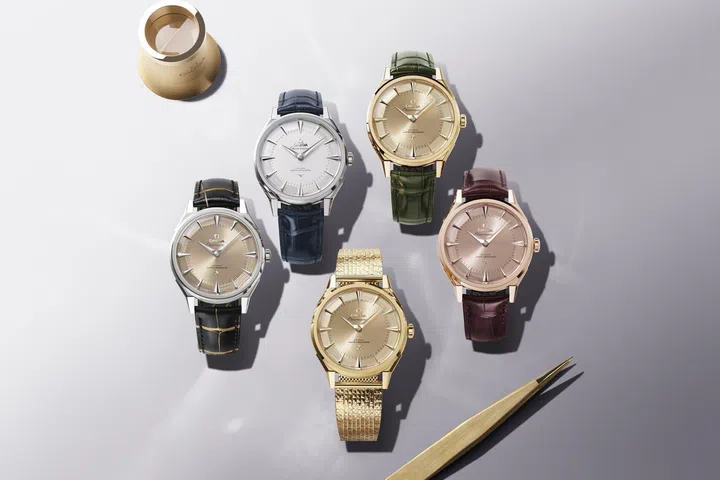
The report also highlights diverging fortunes within the major luxury groups. While brands such as Cartier continue to gain share, others within Swatch Group, Richemont, and LVMH have faced a more challenging environment.
The middle of the market becomes both risk and opportunity. Some houses will sharpen their offerings and pricing discipline. Others may experiment with new creative directions. Value may increasingly be found in brands that deliver clarity rather than chasing prestige tiers.
What this means for you: Not every consumer wants — or can afford — a six-figure timepiece. As brands compete for attention in this segment, buyers may ultimately benefit from more distinctive designs, stronger product development, and better overall value. For many collectors, the sweet spot may lie precisely in this increasingly competitive segment.

A smaller Industry with bigger divides
The overarching pattern is unmistakable. The Swiss watch industry is contracting in units but concentrating in value. A handful of names dominate revenue. The ultra-premium segment drives growth. The middle competes for relevance.
For watch lovers, this is not necessarily negative — it requires discernment. If you seek status validation and resale resilience, the field is narrow. If you seek design integrity, Cartier’s ascent and independent horology’s unique perspectives show that it still matters. Jacob & Co also demonstrates that rule-breakers can thrive even in a consolidated market.
What this means for you: Use the rankings to understand the market, but do not let them dictate your choices. The report reveals which brands are winning commercially; it does not tell you which watch will give you the most satisfaction over the next decade. In a more concentrated industry, personal conviction may be more valuable than ever.
The most important question for a watch lover remains unchanged: Does the timepiece still speak to you beyond the hype, the waiting lists, and the rankings?