%22%3E%0A%3Cpath%20d%3D%22M412%20101.2H393.7C393.1%20101.2%20392.3%20100.9%20391.8%20100.5C377.3%2087.6004%20362.9%2074.6004%20348.4%2061.6004C344.8%2058.4004%20341.3%2055.2004%20337.7%2052.0004C337.1%2051.5004%20336.2%2051.1004%20335.5%2051.0004C334.2%2050.8004%20333%2051.0004%20331.5%2051.0004V101.1H316.7V0.100391H331.4V44.3004C331.9%2044.3004%20332.2%2044.4004%20332.5%2044.4004C334.9%2044.4004%20337.2%2044.5004%20339.6%2044.4004C340.4%2044.4004%20341.3%2044.0004%20341.8%2043.5004C351.6%2034.4004%20361.4%2025.2004%20371.1%2016.0004C376.5%2010.9004%20381.9%205.90039%20387.3%200.800391C387.9%200.200391%20388.5%200.000390626%20389.3%200.000390626H400.9C384.2%2015.8004%20367.8%2031.3004%20351.2%2047.0004C371.5%2065.0004%20391.8%2082.9004%20412.1%20100.9C412.1%20101%20412.1%20101.1%20412%20101.2ZM180.9%20101.2C184.1%2094.9004%20187.2%2088.9004%20190.3%2082.8004C198.3%2067.3004%20206.2%2051.8004%20214.2%2036.2004C220.3%2024.4004%20226.4%2012.5004%20232.4%200.700391C232.7%200.100391%20233%20-0.0996094%20233.7%20-0.0996094H248.1C248.8%20-0.0996094%20249.2%200.100391%20249.6%200.800391C256%2013.3004%20262.4%2025.7004%20268.8%2038.2004C279.3%2058.6004%20289.8%2079.0004%20300.3%2099.5004C300.5%20100%20300.8%20100.4%20301.1%20101.1C300.5%20101.1%20300.1%20101.2%20299.7%20101.2H286.5C285.6%20101.2%20285.1%20100.9%20284.7%20100.2C280.1%2091.3004%20275.4%2082.4004%20270.8%2073.4004C270.1%2072.1004%20269.3%2071.6004%20267.8%2071.6004H209.9C208.7%2071.6004%20208.1%2072.0004%20207.5%2073.1004C202.9%2082.1004%20198.2%2091.0004%20193.6%20100C193.1%20101%20192.6%20101.3%20191.5%20101.3C188.4%20101.2%20185.3%20101.3%20182.3%20101.3C182%20101.2%20181.6%20101.2%20180.9%20101.2ZM239.1%2011.4004C230%2029.2004%20221.1%2046.7004%20212.1%2064.3004H266.4C257.2%2046.7004%20248.2%2029.2004%20239.1%2011.4004ZM0%200.000390626H43.4C51.2%200.000390626%2058.7%201.20039%2065.7%204.80039C75.9%2010.0004%2078.9%2018.0004%2078.6%2027.4004C78.3%2034.3004%2076%2040.5004%2071.2%2045.5004C67.3%2049.6004%2062.4%2052.3004%2057.1%2054.3004C50.6%2056.7004%2043.9%2058.0004%2037.1%2058.6004C30.1%2059.2004%2023.1%2059.4004%2016.2%2059.7004C15.8%2059.7004%2015.3%2059.8004%2014.8%2059.8004V101.1H0.1C0%2067.4004%200%2033.8004%200%200.000390626ZM14.8%207.10039V52.2004C23.7%2052.4004%2032.6%2052.3004%2041.2%2050.1004C44.4%2049.3004%2047.6%2048.2004%2050.6%2046.7004C58.4%2043.0004%2062.3%2036.7004%2062.7%2028.0004C63%2019.9004%2059.5%2014.1004%2052.4%2010.5004C47.6%208.00039%2042.5%207.10039%2037.2%207.10039H14.8ZM95.9%20101.1V0.100391H167.3V7.20039H110.7V44.7004H158.1V51.9004H110.8V93.9004H171.1V101C146.1%20101.1%20121%20101.1%2095.9%20101.1Z%22%20fill%3D%22black%22%2F%3E%0A%3Cpath%20d%3D%22M35.0004%2025.7996H42.5004V20.6996H44.8004V33.1996H42.6004V27.5996H34.9004V33.2996H32.7004V20.7996H35.0004V25.7996ZM54.4004%2025.8996V27.2996H48.9004V31.6996H55.9004C55.9004%2032.1996%2056.0004%2032.5996%2056.0004%2033.0996H46.5004V20.5996H55.5004V21.8996H49.0004V25.7996C50.7004%2025.8996%2052.5004%2025.8996%2054.4004%2025.8996ZM25.9004%2033.0996H23.5004V21.9996H17.9004V20.6996H31.6004V22.0996H27.1004C26.2004%2022.0996%2025.9004%2022.2996%2025.9004%2023.1996C26.0004%2026.0996%2025.9004%2028.9996%2025.9004%2031.7996V33.0996Z%22%20fill%3D%22black%22%2F%3E%0A%3C%2Fg%3E%0A%3Cdefs%3E%0A%3CclipPath%20id%3D%22clip0_388_462%22%3E%0A%3Crect%20width%3D%22411%22%20height%3D%22101.2%22%20fill%3D%22white%22%2F%3E%0A%3C%2FclipPath%3E%0A%3C%2Fdefs%3E%0A%3C%2Fsvg%3E%0A)
How football became luxury’s biggest obsession
From Burberry and Loewe to Hublot and IWC, luxury brands are investing heavily in football ahead of the 2026 FIFA World Cup. Here’s how the beautiful game has become fashion’s most powerful new cultural platform.
By Yanni Tan /
Share this article
Not so long ago, luxury brands reserved their biggest sponsorship budgets for tennis courts, Formula One paddocks, and yacht marinas. Football, despite being the world’s most popular sport, was often seen as too mainstream and too removed from luxury’s traditional clientele.
Today, that perception has changed dramatically. As the world counts down to tomorrow’s FIFA World Cup kick-off, it must be said that football has become luxury’s most coveted cultural arena.
The sport commands billions of fans, produces some of the world’s most influential athletes, and increasingly shapes how people dress, travel, and express themselves. Fashion houses and watchmakers are responding in kind, moving far beyond logo sponsorships to become active participants in football culture.
Here are five ways luxury is embracing the beautiful game.
1. Match-day style has entered the wardrobe
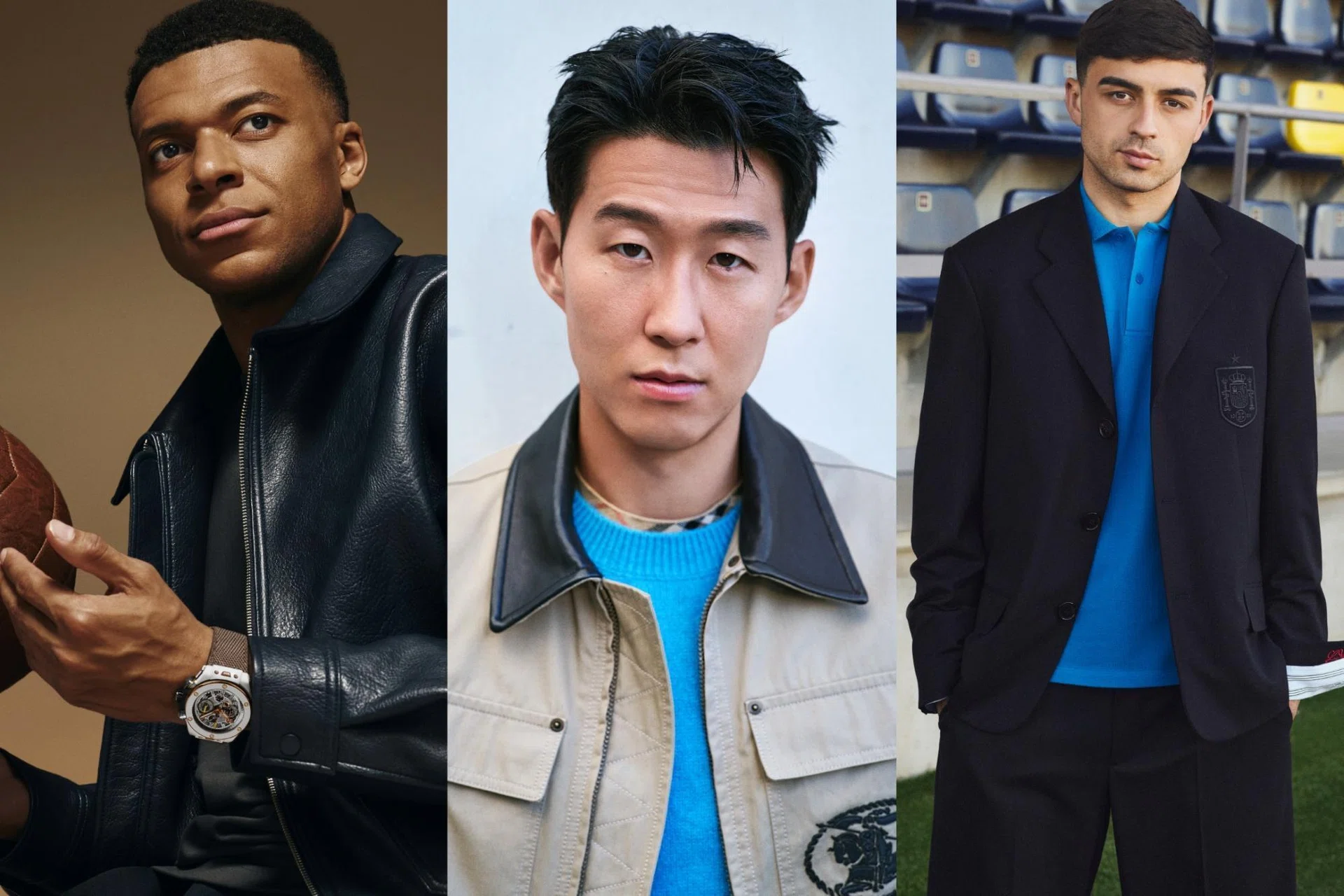
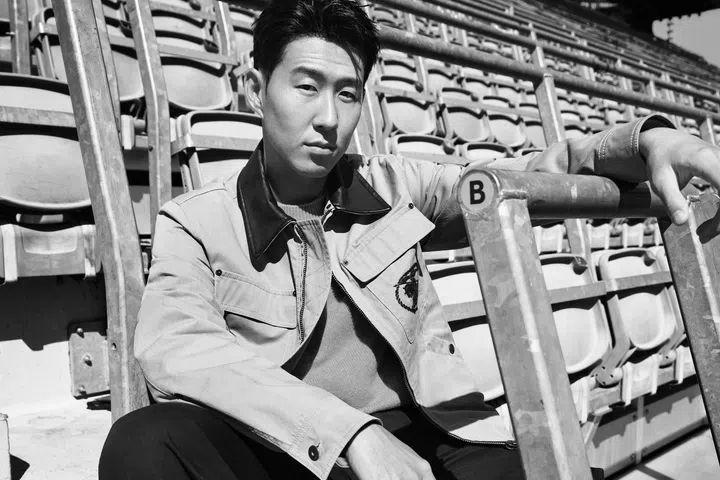
Long before footballers became front-row fixtures at fashion week, supporters were shaping their own style tribes. Burberry’s Autumn 2026 campaign, A Good Sport, pays tribute to the rituals of football fandom rather than the athletes themselves.
The campaign captures supporters queuing for burgers, rushing towards kick-off, and gathering in the stands, while showcasing trench coats, Harrington jackets, scarves, and check-patterned staples. Football stars including Declan Rice, Eberechi Eze, Leah Williamson, and Son Heung-min appear alongside actors and models.
It is a telling signal of football’s growing fashion clout. Luxury labels are increasingly looking beyond elite athletes and towards the terraces, where trends often emerge long before they reach the runway.
2. National teams are getting the luxury treatment
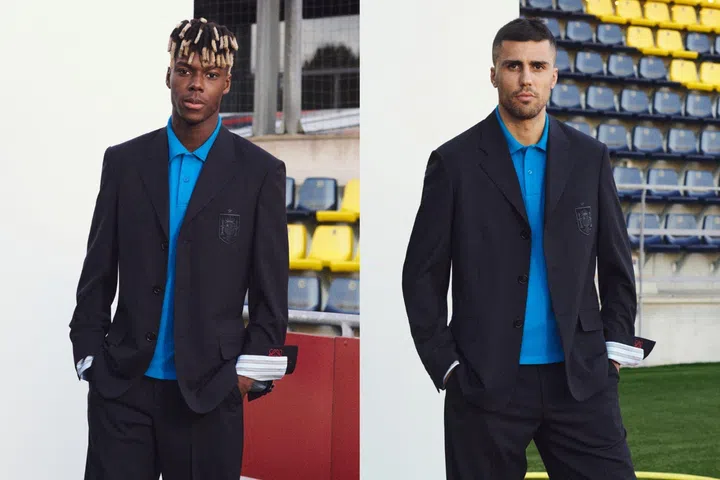
When Spain’s national football team arrives at international tournaments over the next four years, it will do so dressed by Loewe.
The Madrid-founded house has signed a partnership running through to 2030, with creative directors Jack McCollough and Lazaro Hernandez designing tailored clothing, casualwear, shoes, and leather goods for the country’s national squads.
The collaboration reflects the growing significance of the athlete arrival shot — those carefully documented moments at airports, hotels, and training grounds that now generate almost as much attention as events on the pitch. For luxury houses, footballers have evolved into some of the world’s most visible style ambassadors.
3. Football boots are crossing into fashion territory
Sneakers have dominated luxury collaborations for years. Football boots may be next.
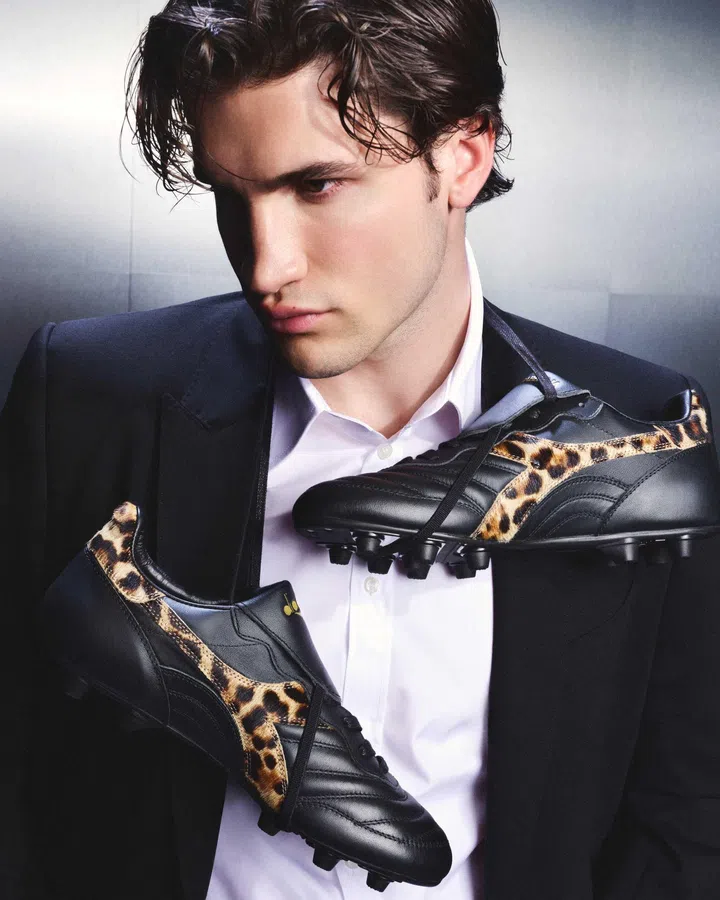
Dolce & Gabbana’s latest project with Diadora revisits the Brasil, one of the Italian sportswear company’s most recognisable football silhouettes. First launched in 1984, the design has been reimagined with leopard-print accents, and released both as a performance boot and a lifestyle sneaker.
The collaboration highlights a broader movement within menswear and streetwear, where football aesthetics are increasingly influencing everyday dressing. Jerseys, training tops, and football-inspired footwear have all moved from the stadium into mainstream fashion.
4. Football’s biggest stars now rival Hollywood celebrities
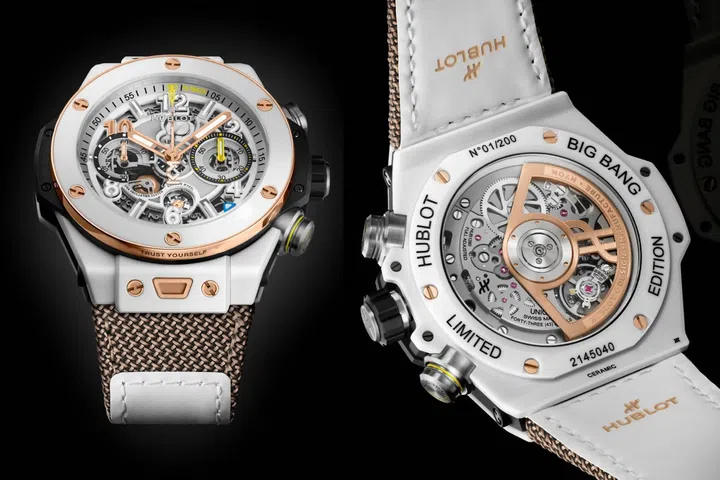
Luxury brands have always gravitated towards influential personalities. Increasingly, those personalities wear football boots. Hublot’s latest collaboration with Kylian Mbappe demonstrates how the relationship between athlete and brand has evolved.
Limited to 200 pieces, the 44mm chronograph pairs polished white ceramic with Hublot’s proprietary King Gold, while a skeletonised dial showcases the brand’s in-house Unico movement. The French captain’s influence runs throughout the design, from the his iconic jersey’s number 10 in prominent gold to the “Trust Yourself” engraving on the bezel, creating a watch that reflects both the player’s identity and Hublot’s long-standing association with elite football.
This is no longer the era of simply attaching a famous face to an advertising campaign. Footballers today command vast global audiences, social media followings and personal brands that rival those of movie stars, musicians, and entrepreneurs.
5. Football’s influence extends beyond the pitch
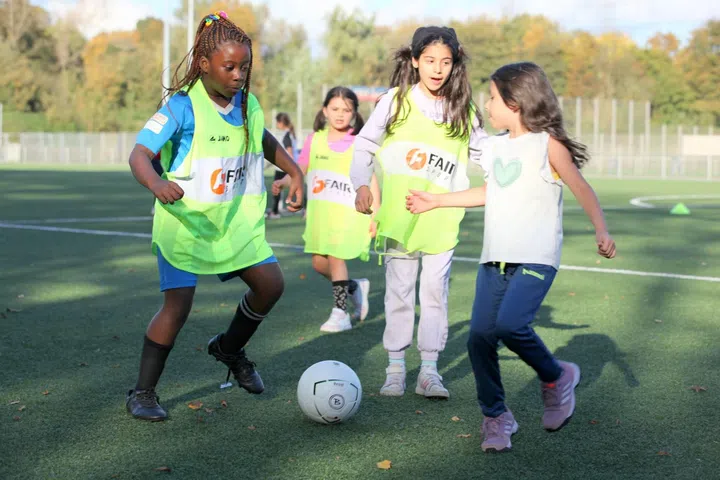
Luxury’s interest in football is not driven solely by visibility. IWC Schaffhausen’s latest Laureus edition shines a spotlight on Futbalo Girls, a German initiative that uses football to empower girls and young women through free coaching sessions, leadership opportunities, and community engagement.
The programme is supported by Laureus Sport for Good, the global foundation established in 2000 under the patronage of Nelson Mandela, which today backs hundreds of projects worldwide that use sport to tackle social challenges and create opportunities for young people.
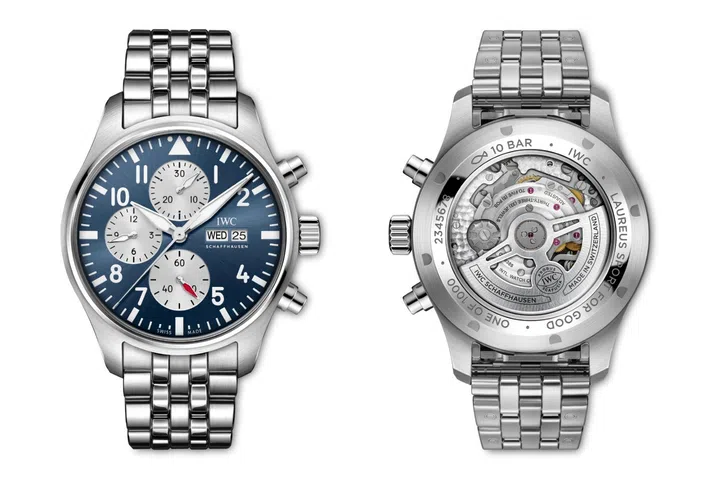
Continuing IWC’s two-decade partnership with Laureus, the limited-edition Pilot’s Watch Chronograph Laureus is capped at 1,000 pieces. The 43mm stainless steel watch is distinguished by its signature Laureus blue dial, paired with silver-plated subdials and powered by the IWC-manufactured calibre 69385 chronograph movement.
Visible through a sapphire caseback, the movement reflects the engineering focus of the Pilot’s Watch collection while reinforcing the watchmaker’s long-standing commitment to sport as a force for positive change.