%22%3E%0A%3Cpath%20d%3D%22M412%20101.2H393.7C393.1%20101.2%20392.3%20100.9%20391.8%20100.5C377.3%2087.6004%20362.9%2074.6004%20348.4%2061.6004C344.8%2058.4004%20341.3%2055.2004%20337.7%2052.0004C337.1%2051.5004%20336.2%2051.1004%20335.5%2051.0004C334.2%2050.8004%20333%2051.0004%20331.5%2051.0004V101.1H316.7V0.100391H331.4V44.3004C331.9%2044.3004%20332.2%2044.4004%20332.5%2044.4004C334.9%2044.4004%20337.2%2044.5004%20339.6%2044.4004C340.4%2044.4004%20341.3%2044.0004%20341.8%2043.5004C351.6%2034.4004%20361.4%2025.2004%20371.1%2016.0004C376.5%2010.9004%20381.9%205.90039%20387.3%200.800391C387.9%200.200391%20388.5%200.000390626%20389.3%200.000390626H400.9C384.2%2015.8004%20367.8%2031.3004%20351.2%2047.0004C371.5%2065.0004%20391.8%2082.9004%20412.1%20100.9C412.1%20101%20412.1%20101.1%20412%20101.2ZM180.9%20101.2C184.1%2094.9004%20187.2%2088.9004%20190.3%2082.8004C198.3%2067.3004%20206.2%2051.8004%20214.2%2036.2004C220.3%2024.4004%20226.4%2012.5004%20232.4%200.700391C232.7%200.100391%20233%20-0.0996094%20233.7%20-0.0996094H248.1C248.8%20-0.0996094%20249.2%200.100391%20249.6%200.800391C256%2013.3004%20262.4%2025.7004%20268.8%2038.2004C279.3%2058.6004%20289.8%2079.0004%20300.3%2099.5004C300.5%20100%20300.8%20100.4%20301.1%20101.1C300.5%20101.1%20300.1%20101.2%20299.7%20101.2H286.5C285.6%20101.2%20285.1%20100.9%20284.7%20100.2C280.1%2091.3004%20275.4%2082.4004%20270.8%2073.4004C270.1%2072.1004%20269.3%2071.6004%20267.8%2071.6004H209.9C208.7%2071.6004%20208.1%2072.0004%20207.5%2073.1004C202.9%2082.1004%20198.2%2091.0004%20193.6%20100C193.1%20101%20192.6%20101.3%20191.5%20101.3C188.4%20101.2%20185.3%20101.3%20182.3%20101.3C182%20101.2%20181.6%20101.2%20180.9%20101.2ZM239.1%2011.4004C230%2029.2004%20221.1%2046.7004%20212.1%2064.3004H266.4C257.2%2046.7004%20248.2%2029.2004%20239.1%2011.4004ZM0%200.000390626H43.4C51.2%200.000390626%2058.7%201.20039%2065.7%204.80039C75.9%2010.0004%2078.9%2018.0004%2078.6%2027.4004C78.3%2034.3004%2076%2040.5004%2071.2%2045.5004C67.3%2049.6004%2062.4%2052.3004%2057.1%2054.3004C50.6%2056.7004%2043.9%2058.0004%2037.1%2058.6004C30.1%2059.2004%2023.1%2059.4004%2016.2%2059.7004C15.8%2059.7004%2015.3%2059.8004%2014.8%2059.8004V101.1H0.1C0%2067.4004%200%2033.8004%200%200.000390626ZM14.8%207.10039V52.2004C23.7%2052.4004%2032.6%2052.3004%2041.2%2050.1004C44.4%2049.3004%2047.6%2048.2004%2050.6%2046.7004C58.4%2043.0004%2062.3%2036.7004%2062.7%2028.0004C63%2019.9004%2059.5%2014.1004%2052.4%2010.5004C47.6%208.00039%2042.5%207.10039%2037.2%207.10039H14.8ZM95.9%20101.1V0.100391H167.3V7.20039H110.7V44.7004H158.1V51.9004H110.8V93.9004H171.1V101C146.1%20101.1%20121%20101.1%2095.9%20101.1Z%22%20fill%3D%22black%22%2F%3E%0A%3Cpath%20d%3D%22M35.0004%2025.7996H42.5004V20.6996H44.8004V33.1996H42.6004V27.5996H34.9004V33.2996H32.7004V20.7996H35.0004V25.7996ZM54.4004%2025.8996V27.2996H48.9004V31.6996H55.9004C55.9004%2032.1996%2056.0004%2032.5996%2056.0004%2033.0996H46.5004V20.5996H55.5004V21.8996H49.0004V25.7996C50.7004%2025.8996%2052.5004%2025.8996%2054.4004%2025.8996ZM25.9004%2033.0996H23.5004V21.9996H17.9004V20.6996H31.6004V22.0996H27.1004C26.2004%2022.0996%2025.9004%2022.2996%2025.9004%2023.1996C26.0004%2026.0996%2025.9004%2028.9996%2025.9004%2031.7996V33.0996Z%22%20fill%3D%22black%22%2F%3E%0A%3C%2Fg%3E%0A%3Cdefs%3E%0A%3CclipPath%20id%3D%22clip0_388_462%22%3E%0A%3Crect%20width%3D%22411%22%20height%3D%22101.2%22%20fill%3D%22white%22%2F%3E%0A%3C%2FclipPath%3E%0A%3C%2Fdefs%3E%0A%3C%2Fsvg%3E%0A)
Singapore’s fine dining scene is becoming stagnant — and having Michelin stars cannot save it
This year’s exodus of 10 one-starred restaurants, coupled with a lack of talent renewal and high operation costs, has weakened Singapore’s claim of being a culinary destination.
By Kenneth SZ Goh /
Share this article
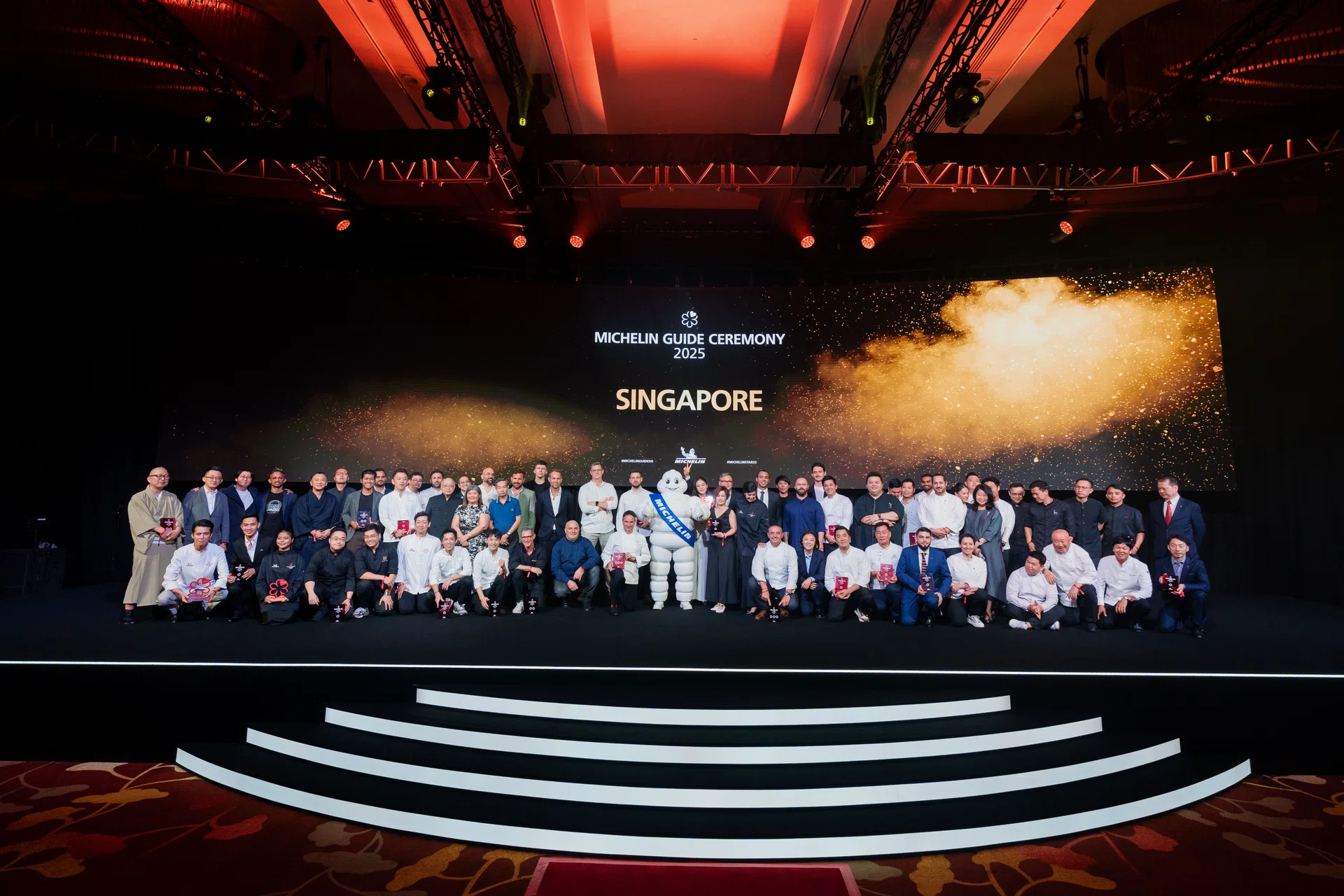
The Michelin Guide Singapore results have never failed to generate moments of controversy and celebration since its inception here in 2016. Be it the sambal belachan-spicy choice of awarding two hawker stalls a Michelin star in its inaugural edition or taking away stars from restaurants that have not impressed its famously anonymous inspectors. However, I would compare this year’s results to a tepid bowl of congee.
Just two restaurants saw their Michelin star stakes rise — both of them are Japanese and are located in hotels near the city-centre. Over the two years, restaurant openings have spanned Latin American, Korean and mod-Sin cuisines, and the best that the red guide could only shine the spotlight on are two Japanese restaurants. Yawn.
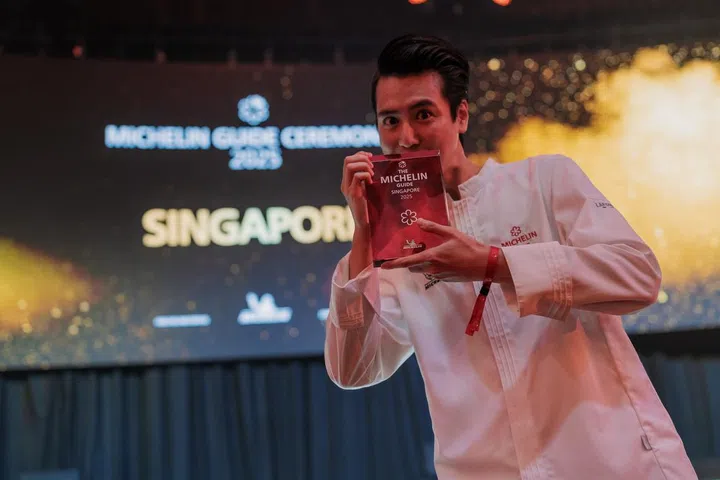
Out of the 32 one-starred restaurants, only one restaurant, French-influenced kaiseki restaurant, Omakase@Stevens in Novotel Singapore On Stevens, which has been around for three years, was deemed ready to receive its first star. Another Japanese restaurant, Sushi Sakuta in The Capitol Kempinski Hotel, was the sole restaurant to be promoted to two stars from one. A total of 42 restaurants received stars this year — nine fewer than last year.
This year’s results are the most anti-climatic since the guide’s debut in Singapore. Last year, four restaurants received their first star — something to cheer about despite the puzzling decision not to host an in-person ceremony. The year before, chef Kevin Wong of then-freshly minted Seroja scored a rare hat-trick, receiving three awards in a night, including one star and the Young Chef Award. Even the 2021 results, which were announced in the midst of the COVID-19 pandemic, delivered some cheer — Zen was promoted to three stars, Jaan by Kirk Westaway was elevated to two-starred status and a whopping 12 restaurants received their first star.
Lack of renewal on the list
The more sobering news was that 10 restaurants dropped out of the one-starred list. Nine of them, or one-fifth of last year’s one-starred restaurants, shuttered due to a challenging business climate fueled by rising operational costs, tighter dining budgets and a stronger focus on value and accessibility.
They are Art, Chef Kang’s, Matera, Oshino, Poise, Shinji by Kanesaka (Bras Basah Road), Sommer and Sushi Kimura. Rhubarb rebranded to a casual French concept Encore by Rhubarb in June after holding on to its one star for a decade. Japanese-Italian restaurant Terra lost its one-starred status for the second time.
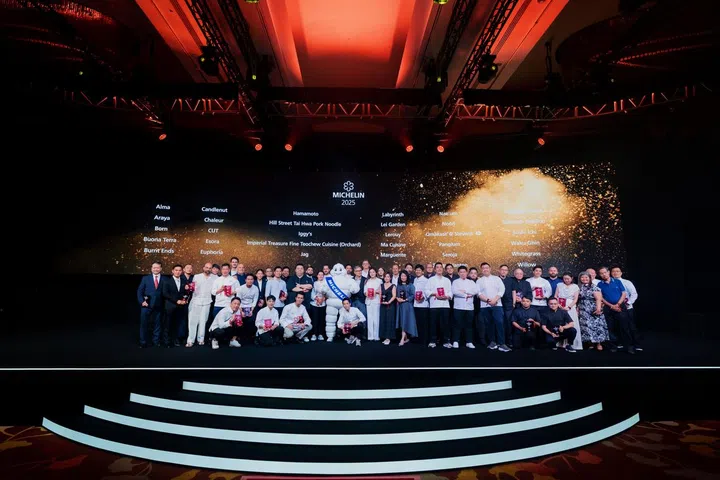
The lack of renewal on this list is telling. Despite a string of closures, I am certain that some restaurants are ready for their one-starred status. In fact, a couple of them are already on the Michelin Guide’s Selection list. They include modern Italian restaurant Somma at New Bahru, Na Oh, which has attracted a crowd for its refined Korean fare, despite its far-flung location in Jurong West. And there is also Mustard Seed, which has been reinterpreting local dishes with smart Japanese twists.
The dismal results also bring into question the power of getting a Michelin star. While it remains the accolade that most chefs aspire to get (look at the number of Bibendum collectibles displayed in restaurants), its ability to attract business in the long run has dwindled. Just ask the nine restaurants that lost their one-starred rating due to closures or a change in the concept. A chef from a starred-restaurant once told me candidly: “Customers are more important than accolades — they are the ones who will help keep your restaurant open, not the awards.”
A stagnant landscape
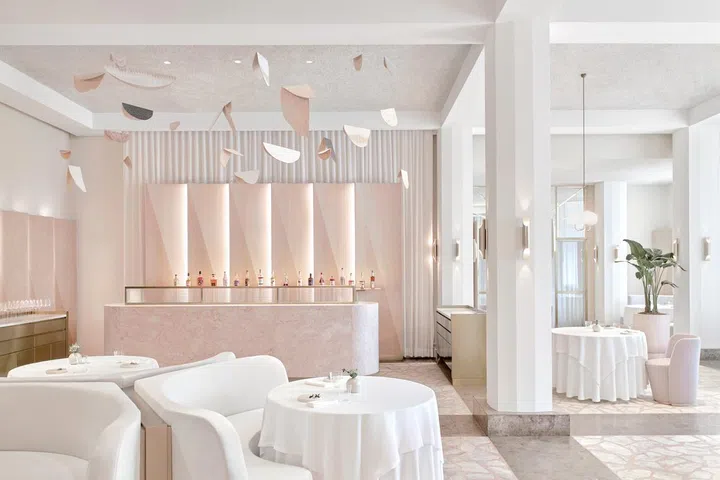
Singapore’s dining scene is undoubtedly getting stagnant — judging from the snooze-worthy results of this year’s Michelin Guide list and the 50 Best Restaurants list. We are losing our edge as a culinary hub in the region.
For the fourth year in a row, Singapore’s only flag-bearer on The World’s 50 Best Restaurants list, which was announced in June, is Odette. Not a single new restaurant from Singapore ranked among the top 50 restaurants and its long list. Year after year, it has also been the same handful of restaurants from Singapore that appear on it.
Singapore has long touted itself as a gastronomy hub, but the sorely predictable results on this year’s 50 Best restaurants’ list are starting to show otherwise. Neighbouring cities have either caught up or are ahead of the dining game. Bangkok has six restaurants on the list, including Gaggan (No. 6), which was crowned the top spot in the Asian edition of the list this year.
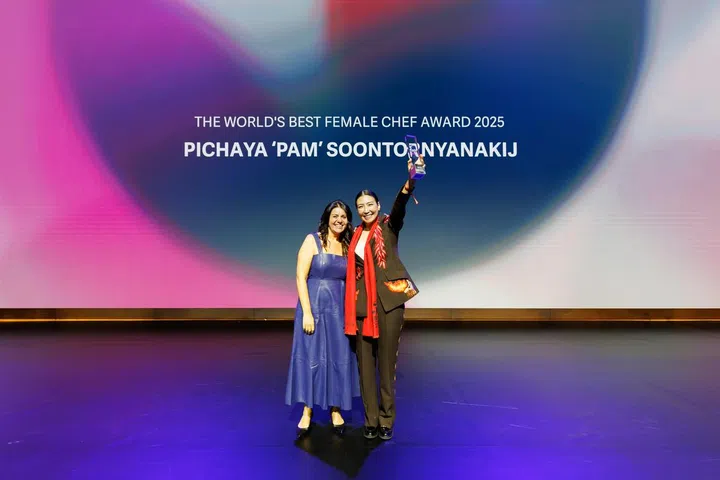
Progressive Thai-Chinese restaurant, Potong, which opened in 2021, received the Highest New Entry Award with a No. 13 debut and its chef Pichaya ‘Pam’ Soontornyanakij was lauded with the Best Female Chef award. Thai restaurant, Sorn, which was the first restaurant in Thailand to receive three Michelin stars last year, came in at No. 17, and Thai restaurant, Nusara, which turned five this year, was ranked No. 35, alongside its sister restaurant, Le Du (No. 30). From Hong Kong, contemporary Chinese restaurant, Wing, which opened in 2021, is now ranked No. 20 and received the Art of Hospitality Award.
On Singapore’s front? Besides Odette’s steadfast presence on this year’s top 50 list, the other two on the long list are Burnt Ends and Labyrinth, both of which have been open for over a decade. While naysayers have questioned The World’s 50 Best voting system, the lists are often seen as a dynamic arbiter of trends in the restaurant industry and have a knack for identifying potential movers and shakers.
Where’s the new blood?
The lacklustre results on both the Michelin Guide and 50 Best Restaurants lists this year also reminded me that we are still clinging to the same Singapore names that broke out a decade ago. The homegrown chef line-up includes Han Liguang of Labyrinth, Malcolm Lee of Candlenut, and Jason Tan of Euphoria. All brilliant chefs who have done a lot to uplift the local dining scene and deservingly held on to their restaurants’ Michelin stars this year. But here’s the problem: they’re still the more well-known names that have surfaced over 10 years ago.
Over the past few years, younger local chefs such as Nicolas Tam of one-Michelin-starred Willow and Seth Lai of Ce Soir have managed to carve out a name for themselves. But the new guard is trickling in, not pouring forth.

To be fair, it has been a challenging few years for the local restaurant industry, to say the least. Chef-owners have been squeezed left, right and centre: higher operating costs and rent, long-standing manpower quotas on hiring foreigners on one hand, and a smaller appetite for fine dining. And, there is the stronger Singapore dollar to contend with, which has made it more appealing to visit restaurants in Bangkok and Kuala Lumpur instead. (though prices at fine dining restaurants in these cities are creeping up steadily).
The remaining survivors have switched gear to survival mode, finding ways to earn more revenue or at least break even and fill seats in restaurants. Four-hands collaborations, or public relations and networking exercises, have taken the backseat for some chefs. Instead, they are hunkering down with alternative routes for revenue: corporate catering, private dining and retail.
The challenging business climate and recent slate of closures have made it more difficult for young chefs to strike out on their own. The stakes are higher, but the margin of success is low.
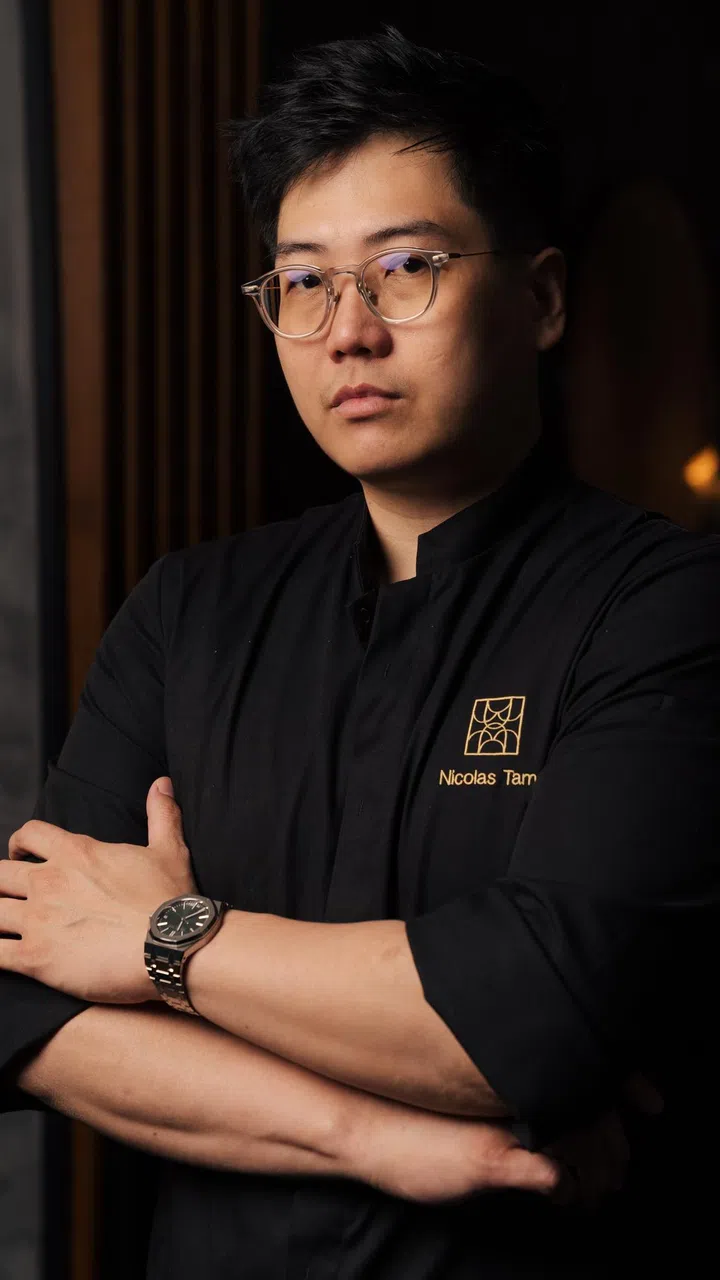
The quality of fine-dining meals here, I believe, is top-notch, with a competitive landscape, discerning diners, access to the best seasonal ingredients around the world and culinary talents here. However, there hasn’t been a clear pipeline to nurture the next generation of Singapore chefs. And news of hospitality institution Shatec scaling down its operations to provide continuing education and training courses doesn’t help.
Without the unique touch of local flavours and story-telling, fine-dining in Singapore loses its soul. The X factor that screams “You are in Singapore” through food is shaped by such intrinsic taste memories. Having such experiences only made possible through a Singapore lens and context will be the fire that continues to give our dining scene its edge.
Local culinary talents worth supporting
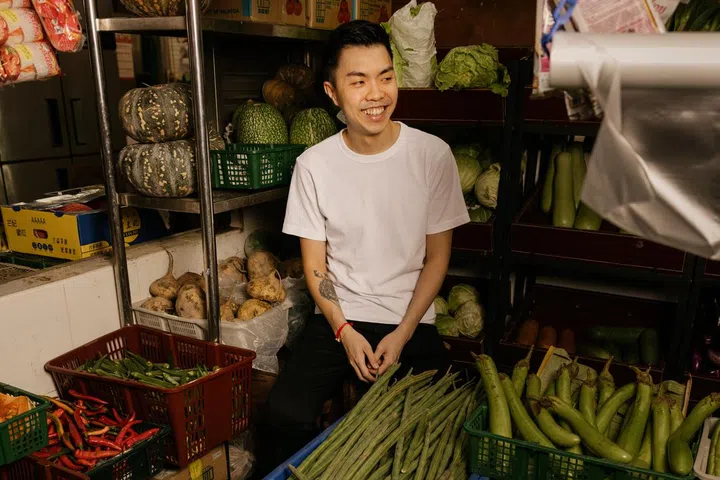
All’s not lost - young chefs are still pushing the bar in their own quiet ways. Take mod-Sin restaurant Belimbing by chef Marcus Leow. The restaurant presents a new-gen take on ingredients and commonly found dishes in Singapore. Imagine a starter of smoked wagyu ox tongue laced with acidity and tang from starfruit, chinchok and fermented shrimp and a clam-meets-assam pedas take on a chawanmushi-inspired dish.
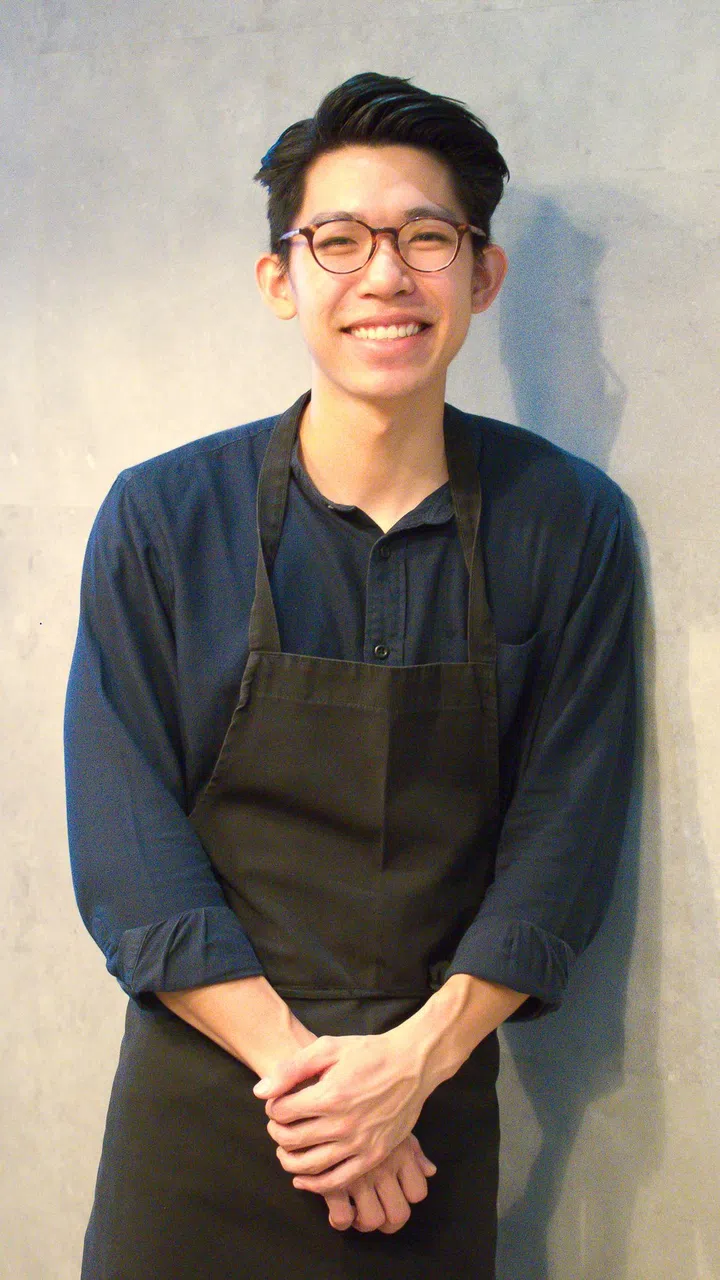
Another up-and-coming chef-restauranteur Province’s Law Jia-jun, who represented Singapore at the regional round of San Pellegrino’s Young Chef Competition last November. The Singaporean chef has an intrepid curiosity for ingredients across Southeast Asia that he heavily uses at his restaurant.
During the competition, he presented dishes like roast duck served with pear and duck jus with galangal, lemongrass, and a nasi ulam donabe. Through participating in this competition, Law wanted to show the importance of embracing his Singaporean identity through food. He says: “As Singaporeans, we always try to fit in, but it is important to believe in ourselves and do what means a lot to us.
Here’s hoping that the inspectors at the Michelin Guide will strive to go deeper on the ground, better understand the nuances in our dining scene, and give due recognition. On our part as diners, we will need to show up and be more open-minded and open-hearted to give our chefs a shot, instead of clamouring for the next hyped-up imported concept. It is when Singapore chefs are given a chance to share their food and stories that the dining scene becomes richer and more colourful. Empathise the constraints that they operate in. Start believing in our own. Because if we don’t, who will?