%22%3E%0A%3Cpath%20d%3D%22M412%20101.2H393.7C393.1%20101.2%20392.3%20100.9%20391.8%20100.5C377.3%2087.6004%20362.9%2074.6004%20348.4%2061.6004C344.8%2058.4004%20341.3%2055.2004%20337.7%2052.0004C337.1%2051.5004%20336.2%2051.1004%20335.5%2051.0004C334.2%2050.8004%20333%2051.0004%20331.5%2051.0004V101.1H316.7V0.100391H331.4V44.3004C331.9%2044.3004%20332.2%2044.4004%20332.5%2044.4004C334.9%2044.4004%20337.2%2044.5004%20339.6%2044.4004C340.4%2044.4004%20341.3%2044.0004%20341.8%2043.5004C351.6%2034.4004%20361.4%2025.2004%20371.1%2016.0004C376.5%2010.9004%20381.9%205.90039%20387.3%200.800391C387.9%200.200391%20388.5%200.000390626%20389.3%200.000390626H400.9C384.2%2015.8004%20367.8%2031.3004%20351.2%2047.0004C371.5%2065.0004%20391.8%2082.9004%20412.1%20100.9C412.1%20101%20412.1%20101.1%20412%20101.2ZM180.9%20101.2C184.1%2094.9004%20187.2%2088.9004%20190.3%2082.8004C198.3%2067.3004%20206.2%2051.8004%20214.2%2036.2004C220.3%2024.4004%20226.4%2012.5004%20232.4%200.700391C232.7%200.100391%20233%20-0.0996094%20233.7%20-0.0996094H248.1C248.8%20-0.0996094%20249.2%200.100391%20249.6%200.800391C256%2013.3004%20262.4%2025.7004%20268.8%2038.2004C279.3%2058.6004%20289.8%2079.0004%20300.3%2099.5004C300.5%20100%20300.8%20100.4%20301.1%20101.1C300.5%20101.1%20300.1%20101.2%20299.7%20101.2H286.5C285.6%20101.2%20285.1%20100.9%20284.7%20100.2C280.1%2091.3004%20275.4%2082.4004%20270.8%2073.4004C270.1%2072.1004%20269.3%2071.6004%20267.8%2071.6004H209.9C208.7%2071.6004%20208.1%2072.0004%20207.5%2073.1004C202.9%2082.1004%20198.2%2091.0004%20193.6%20100C193.1%20101%20192.6%20101.3%20191.5%20101.3C188.4%20101.2%20185.3%20101.3%20182.3%20101.3C182%20101.2%20181.6%20101.2%20180.9%20101.2ZM239.1%2011.4004C230%2029.2004%20221.1%2046.7004%20212.1%2064.3004H266.4C257.2%2046.7004%20248.2%2029.2004%20239.1%2011.4004ZM0%200.000390626H43.4C51.2%200.000390626%2058.7%201.20039%2065.7%204.80039C75.9%2010.0004%2078.9%2018.0004%2078.6%2027.4004C78.3%2034.3004%2076%2040.5004%2071.2%2045.5004C67.3%2049.6004%2062.4%2052.3004%2057.1%2054.3004C50.6%2056.7004%2043.9%2058.0004%2037.1%2058.6004C30.1%2059.2004%2023.1%2059.4004%2016.2%2059.7004C15.8%2059.7004%2015.3%2059.8004%2014.8%2059.8004V101.1H0.1C0%2067.4004%200%2033.8004%200%200.000390626ZM14.8%207.10039V52.2004C23.7%2052.4004%2032.6%2052.3004%2041.2%2050.1004C44.4%2049.3004%2047.6%2048.2004%2050.6%2046.7004C58.4%2043.0004%2062.3%2036.7004%2062.7%2028.0004C63%2019.9004%2059.5%2014.1004%2052.4%2010.5004C47.6%208.00039%2042.5%207.10039%2037.2%207.10039H14.8ZM95.9%20101.1V0.100391H167.3V7.20039H110.7V44.7004H158.1V51.9004H110.8V93.9004H171.1V101C146.1%20101.1%20121%20101.1%2095.9%20101.1Z%22%20fill%3D%22black%22%2F%3E%0A%3Cpath%20d%3D%22M35.0004%2025.7996H42.5004V20.6996H44.8004V33.1996H42.6004V27.5996H34.9004V33.2996H32.7004V20.7996H35.0004V25.7996ZM54.4004%2025.8996V27.2996H48.9004V31.6996H55.9004C55.9004%2032.1996%2056.0004%2032.5996%2056.0004%2033.0996H46.5004V20.5996H55.5004V21.8996H49.0004V25.7996C50.7004%2025.8996%2052.5004%2025.8996%2054.4004%2025.8996ZM25.9004%2033.0996H23.5004V21.9996H17.9004V20.6996H31.6004V22.0996H27.1004C26.2004%2022.0996%2025.9004%2022.2996%2025.9004%2023.1996C26.0004%2026.0996%2025.9004%2028.9996%2025.9004%2031.7996V33.0996Z%22%20fill%3D%22black%22%2F%3E%0A%3C%2Fg%3E%0A%3Cdefs%3E%0A%3CclipPath%20id%3D%22clip0_388_462%22%3E%0A%3Crect%20width%3D%22411%22%20height%3D%22101.2%22%20fill%3D%22white%22%2F%3E%0A%3C%2FclipPath%3E%0A%3C%2Fdefs%3E%0A%3C%2Fsvg%3E%0A)
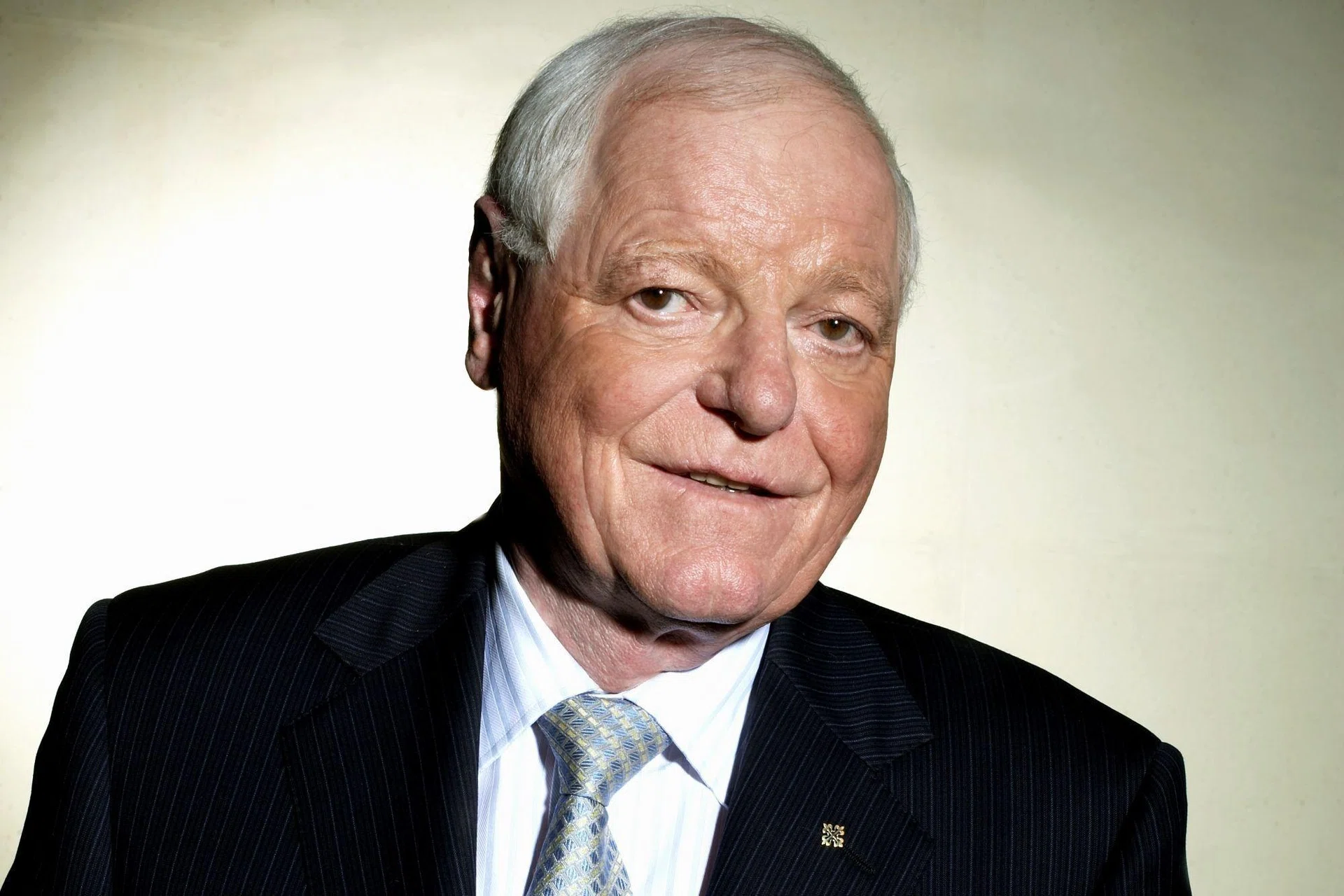
Mr Philippe Stern, the man who ensured that Patek Philippe remained Patek Philippe
The passing of Philippe Stern marks the end of one of modern watchmaking’s most influential chapters. More than the steward of Patek Philippe, he was among the key figures who helped preserve the future of mechanical watchmaking itself.
By Yanni Tan /
Share this article
When the history of 20th-century watchmaking is written, Philippe Stern will likely be remembered not merely as the third-generation leader of Patek Philippe, but as one of the industry’s most important guardians.
Patek Philippe announced this week that its honorary president, Philippe Stern, passed away on June 14, 2026, at the age of 87. The son of Henri Stern and father of current president Thierry Stern, he represented a remarkable bridge between watchmaking’s traditional past and its modern renaissance.
His contribution to Patek Philippe is impossible to separate from the broader revival of mechanical watchmaking. During the quartz crisis of the 1970s and 1980s, when electronic watches threatened to render traditional horology obsolete, Stern remained convinced that finely crafted mechanical timepieces still had a future.
While many Swiss manufacturers downsized, merged into larger groups, or abandoned complicated watchmaking altogether, he chose a different path: investing in craftsmanship, complications, and long-term independence. That conviction would prove transformative.

Father of icons
One of Stern’s earliest defining decisions came in 1976 with the launch of the Nautilus. Designed by the legendary Gerald Genta, the steel sports watch challenged prevailing notions of luxury watchmaking. At a time when precious metals still dominated the upper end of the market, the Nautilus demonstrated that a stainless steel sports watch could command prestige through design, craftsmanship, and exclusivity alone.
Today, it remains one of the most influential luxury watches ever created. Yet Stern’s legacy extends far beyond a single model.
His greatest achievement may have been his unwavering belief in complicated mechanical watchmaking. In the early 1980s, he initiated the ambitious project that culminated in the Calibre 89, unveiled in 1989 for Patek Philippe’s 150th anniversary. Featuring 33 complications, it was then the world’s most complicated portable mechanical timepiece and became a powerful statement that traditional horology could still push technical boundaries.
The Calibre 89 arrived at precisely the right moment. Alongside similar efforts by a handful of leading maisons, it helped reignite global enthusiasm for grand complications and contributed to the resurgence of high-end mechanical watchmaking that continues today.
Stalwart of watchmaking culture
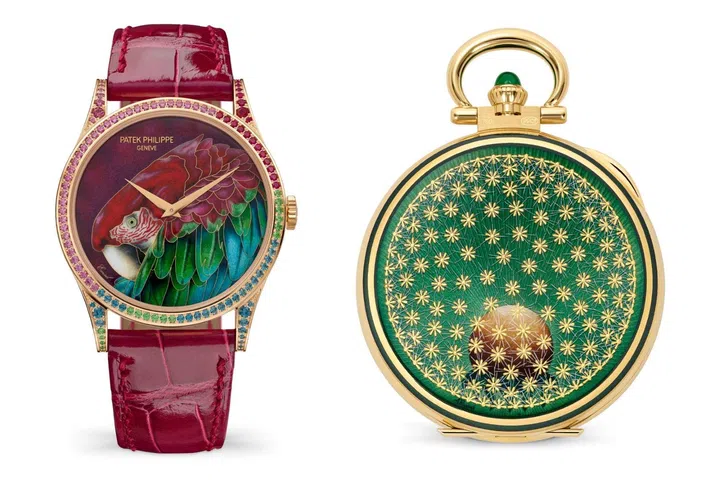
Philippe Stern also understood that preserving watchmaking meant protecting its artistic traditions. Long before metiers d’art and artisanal craftsmanship became fashionable once again, he continued commissioning Rare Handcrafts pieces that showcased enamel painting, engraving, marquetry and guillochage. ‘
Many of these disciplines survived difficult decades thanks in part to patrons such as Stern, who recognised their cultural value even when commercial demand was limited.
As president from 1993 to 2009, Stern strengthened Patek Philippe’s independence through strategic vertical integration and investment in manufacturing. The opening of the Plan-les-Ouates manufacture in 1996 consolidated the company’s Geneva operations under one roof, and laid the foundations for the modern Patek Philippe.
His influence was equally visible in the institution he created outside the factory walls. A passionate collector and student of horological history, Stern realised a lifelong ambition with the opening of the Patek Philippe Museum in Geneva in 2001. Housing not only historic Patek Philippe pieces but centuries of watchmaking heritage, it remains one of the world’s most important horological museums.
Even as the industry embraced new technologies, Stern maintained a balanced perspective. Under his leadership, Patek Philippe pursued research into advanced materials and established the Advanced Research programme in 2005, while never losing sight of traditional craftsmanship.
His legacy will endure
The introduction of the Patek Philippe Seal in 2009 further reflected his belief that quality standards should evolve beyond movement finishing alone and encompass every aspect of a watch’s creation and ownership experience.
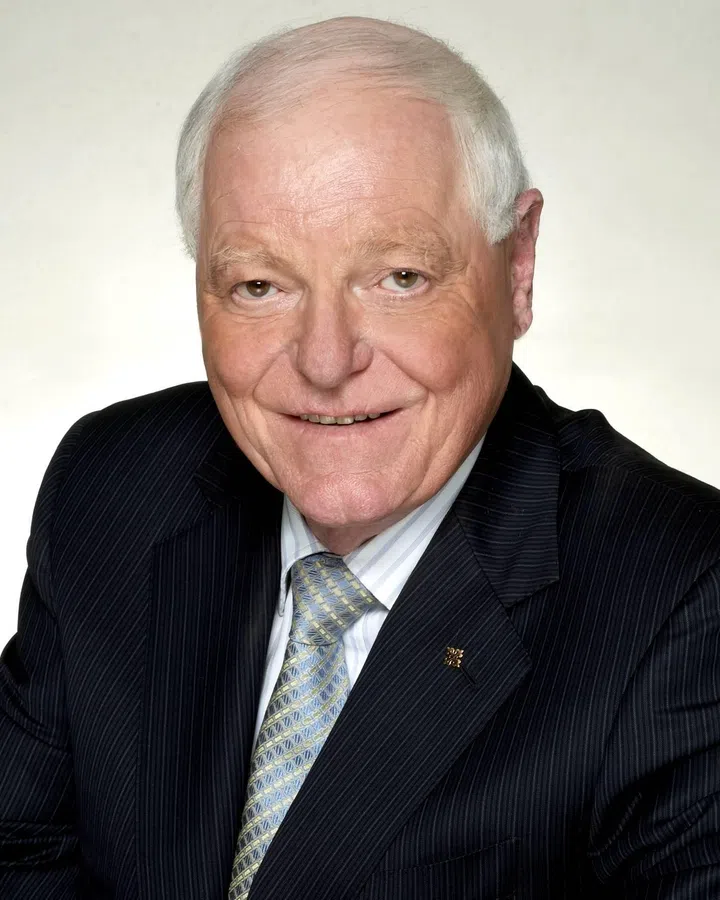
When Philippe Stern handed the presidency to his son Thierry in 2009, he left behind a company that was stronger, more vertically integrated, and more respected than ever. Most importantly, he left behind a philosophy: that true luxury requires patience, independence, and an uncompromising commitment to excellence.
Many industry leaders have built successful watch companies. Few have shaped the direction of watchmaking itself.
Philippe Stern was one of them. His passing closes a remarkable chapter in Patek Philippe’s history, but his influence will continue to tick within every complicated movement, every handcrafted dial, and every independent watchmaker and passionate collector who still believes that mechanical watchmaking matters.