%22%3E%0A%3Cpath%20d%3D%22M412%20101.2H393.7C393.1%20101.2%20392.3%20100.9%20391.8%20100.5C377.3%2087.6004%20362.9%2074.6004%20348.4%2061.6004C344.8%2058.4004%20341.3%2055.2004%20337.7%2052.0004C337.1%2051.5004%20336.2%2051.1004%20335.5%2051.0004C334.2%2050.8004%20333%2051.0004%20331.5%2051.0004V101.1H316.7V0.100391H331.4V44.3004C331.9%2044.3004%20332.2%2044.4004%20332.5%2044.4004C334.9%2044.4004%20337.2%2044.5004%20339.6%2044.4004C340.4%2044.4004%20341.3%2044.0004%20341.8%2043.5004C351.6%2034.4004%20361.4%2025.2004%20371.1%2016.0004C376.5%2010.9004%20381.9%205.90039%20387.3%200.800391C387.9%200.200391%20388.5%200.000390626%20389.3%200.000390626H400.9C384.2%2015.8004%20367.8%2031.3004%20351.2%2047.0004C371.5%2065.0004%20391.8%2082.9004%20412.1%20100.9C412.1%20101%20412.1%20101.1%20412%20101.2ZM180.9%20101.2C184.1%2094.9004%20187.2%2088.9004%20190.3%2082.8004C198.3%2067.3004%20206.2%2051.8004%20214.2%2036.2004C220.3%2024.4004%20226.4%2012.5004%20232.4%200.700391C232.7%200.100391%20233%20-0.0996094%20233.7%20-0.0996094H248.1C248.8%20-0.0996094%20249.2%200.100391%20249.6%200.800391C256%2013.3004%20262.4%2025.7004%20268.8%2038.2004C279.3%2058.6004%20289.8%2079.0004%20300.3%2099.5004C300.5%20100%20300.8%20100.4%20301.1%20101.1C300.5%20101.1%20300.1%20101.2%20299.7%20101.2H286.5C285.6%20101.2%20285.1%20100.9%20284.7%20100.2C280.1%2091.3004%20275.4%2082.4004%20270.8%2073.4004C270.1%2072.1004%20269.3%2071.6004%20267.8%2071.6004H209.9C208.7%2071.6004%20208.1%2072.0004%20207.5%2073.1004C202.9%2082.1004%20198.2%2091.0004%20193.6%20100C193.1%20101%20192.6%20101.3%20191.5%20101.3C188.4%20101.2%20185.3%20101.3%20182.3%20101.3C182%20101.2%20181.6%20101.2%20180.9%20101.2ZM239.1%2011.4004C230%2029.2004%20221.1%2046.7004%20212.1%2064.3004H266.4C257.2%2046.7004%20248.2%2029.2004%20239.1%2011.4004ZM0%200.000390626H43.4C51.2%200.000390626%2058.7%201.20039%2065.7%204.80039C75.9%2010.0004%2078.9%2018.0004%2078.6%2027.4004C78.3%2034.3004%2076%2040.5004%2071.2%2045.5004C67.3%2049.6004%2062.4%2052.3004%2057.1%2054.3004C50.6%2056.7004%2043.9%2058.0004%2037.1%2058.6004C30.1%2059.2004%2023.1%2059.4004%2016.2%2059.7004C15.8%2059.7004%2015.3%2059.8004%2014.8%2059.8004V101.1H0.1C0%2067.4004%200%2033.8004%200%200.000390626ZM14.8%207.10039V52.2004C23.7%2052.4004%2032.6%2052.3004%2041.2%2050.1004C44.4%2049.3004%2047.6%2048.2004%2050.6%2046.7004C58.4%2043.0004%2062.3%2036.7004%2062.7%2028.0004C63%2019.9004%2059.5%2014.1004%2052.4%2010.5004C47.6%208.00039%2042.5%207.10039%2037.2%207.10039H14.8ZM95.9%20101.1V0.100391H167.3V7.20039H110.7V44.7004H158.1V51.9004H110.8V93.9004H171.1V101C146.1%20101.1%20121%20101.1%2095.9%20101.1Z%22%20fill%3D%22black%22%2F%3E%0A%3Cpath%20d%3D%22M35.0004%2025.7996H42.5004V20.6996H44.8004V33.1996H42.6004V27.5996H34.9004V33.2996H32.7004V20.7996H35.0004V25.7996ZM54.4004%2025.8996V27.2996H48.9004V31.6996H55.9004C55.9004%2032.1996%2056.0004%2032.5996%2056.0004%2033.0996H46.5004V20.5996H55.5004V21.8996H49.0004V25.7996C50.7004%2025.8996%2052.5004%2025.8996%2054.4004%2025.8996ZM25.9004%2033.0996H23.5004V21.9996H17.9004V20.6996H31.6004V22.0996H27.1004C26.2004%2022.0996%2025.9004%2022.2996%2025.9004%2023.1996C26.0004%2026.0996%2025.9004%2028.9996%2025.9004%2031.7996V33.0996Z%22%20fill%3D%22black%22%2F%3E%0A%3C%2Fg%3E%0A%3Cdefs%3E%0A%3CclipPath%20id%3D%22clip0_388_462%22%3E%0A%3Crect%20width%3D%22411%22%20height%3D%22101.2%22%20fill%3D%22white%22%2F%3E%0A%3C%2FclipPath%3E%0A%3C%2Fdefs%3E%0A%3C%2Fsvg%3E%0A)
5 top highlights of Singapore’s restaurant scene in 2025
The Peak Singapore looks back on the highs and lows of the local dining landscape this year.
By Kenneth SZ Goh /
Share this article
1. A spine-chilling year of restaurant closures
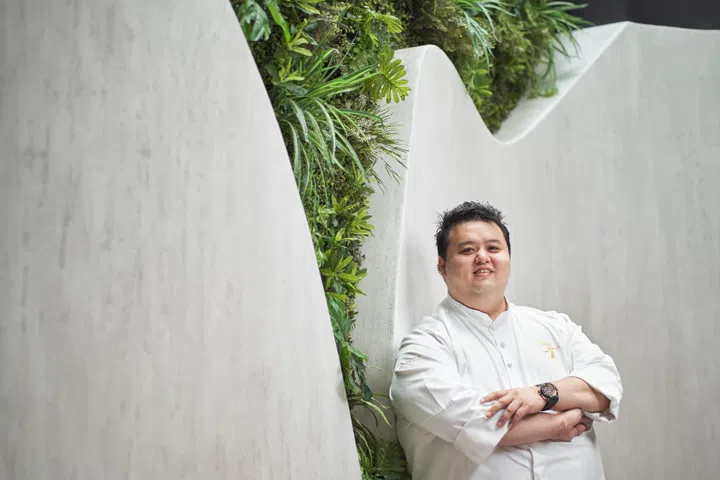
Gourmands in Singapore have been letting out one sigh after another with the bruising line-up of restaurant closures. From fine dining, casual to chain restaurants, no eateries were spared.
One-third of one-Michelin-starred restaurants from the 2024 list have since folded, due to a variety of reasons, such as softer demand for fine-dining, non-renewal of leases and a change of concepts (in the case of Encore).
The signs were ominous at this year’s Michelin Guide Singapore ceremony, which saw 10 restaurants drop out of the one-starred category. Shortly after the lacklustre announcement, one-starred restaurants like Alma by Juan Almador, Poise and Euphoria decided to call it a day. Terra Tokyo Italian and Esora have also closed, leaving 29 one-starred restaurants to hold the fort in Singapore.
Besides fine-dining restaurants, well-known chains like Prive, Eggslut and Burger & Lobster also bowed out. Quick service kiosks like Har Har Chicken! by Labyrinth’s chef Han Liguang closed down early this year. Heritage restaurants, including Ka-Soh and East Ocean Teochew restaurant also shuttered, despite their storied legacies.
2. Milestone anniversaries and revamps at Michelin-starred restaurants
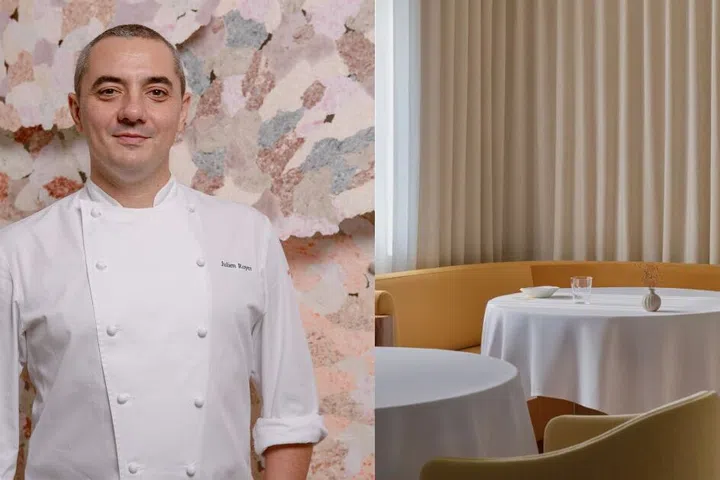
The most anticipated restaurant re-opening of the year took place at the tail-end of the year. Three-Michelin-starred Odette, which turned 10 in 2025, unveiled a refreshed look after a major three-month refurbishment. Greeting diners at the entrance is a new artwork, Winter, Spring, Summer or Fall (2025), by homegrown visual artist, Dawn Ng. The colours of the paper sculpture is inspired by sauces used in chef-owner Julien Royer’s contemporary French cuisine, which has seen tweaks and improvements to classic dishes.
One-starred contemporary Korean restaurant Nae:um reopened to a more understated and elegant look in October, while chef Mano Thevar found a new home for his one-starred contemporary Indian restaurant Thevar, where the food matches with ambience and South Indian architectural touches.
Two-starred Saint Pierre also celebrated its 25th anniversary in December, as chef Emmanuel Stroobant is turning his attention to grooming the next generation of chefs. Stroobant also branched out to open Saki at JW Marriott Tokyo this year. One-starred contemporary British restaurant Jaan by Kirk Westaway turned 10 and six-year-old Mod Sin restaurant Mustard Seed revamped its interiors.
3. New dining hotspot: Resorts World Sentosa
Resorts World Sentosa kept food writers busy this year with repeated trips to the island for a slate of restaurant openings. First, there was Basque-Spanish restaurant Sugarra, the resort’s best bet to snag a Michelin star, which opened at the start of the year. The fine dining restaurant called it quits within a year — its last day of operations will be on December 31.
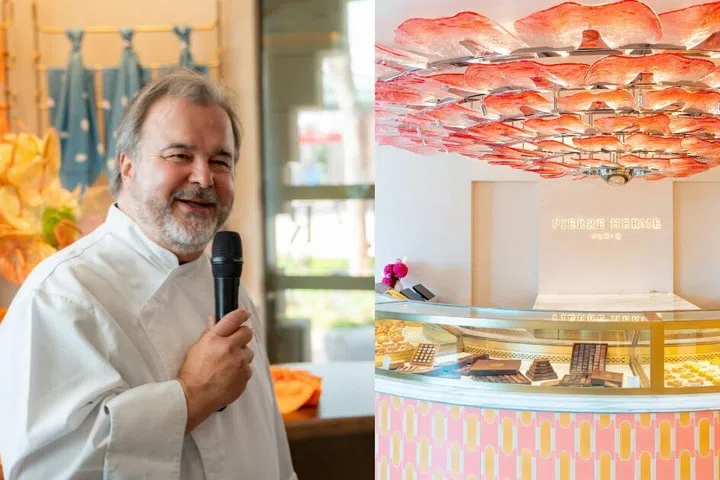
Sugarra’s opening was followed by a flurry of exciting restaurant openings in Weave, the integrated resort’s lifestyle mall, which had a biophilic facelift. Some of the bigger names to open include macaron maestro Pierre Herme, which took up a macaron-studded duplex store that faces the Singapore Oceanarium and Moutarde bistro and Sundae Royale ice cream parlour by chef Paul Pairet of Shanghai’s Mr & Mrs Bund fame. American fashion house Coach also opened a coffee shop there (on top of a steakhouse restaurant in Jewel Changi Airport), adding to a line-up of fashion brands branching out to F&B.
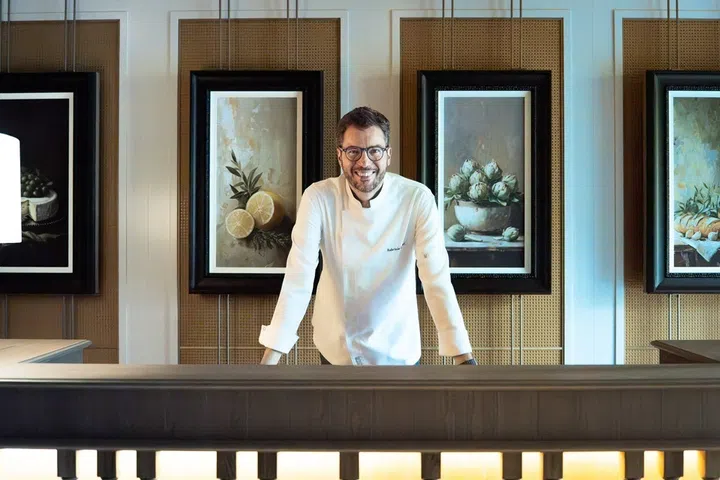
Over at The Laurus Singapore, RWS has lured Italian chef Fabrizio Ferrari, who is best known for his appearance on Netflix’s Culinary Class Wars to front Laurus Table, an Italian seafood restaurant. The resort is counting on the popularity of the Seoul-based Ferrari, who serves as the restaurant’s consulting chef and will make regular trips here, to attract diners to give its stable of Italian classics a go. Highlights include panzanella salad with slow-cooked octopus, roast chicken and scialatielli seafood pasta, and limoncello-spiked tiramisu with a citrus kiss.
4. More Chinese fine dining restaurants open
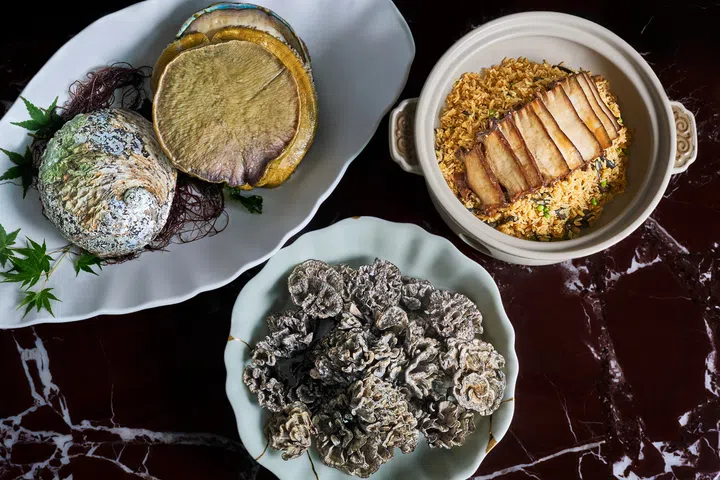
Chinese cuisine by high-end restaurants tend to be Cantonese. Not anymore. This year saw the opening of restaurants serving regional Chinese fare, alongside China’s Black Pearl Restaurant Guide award ceremony, which was held in Singapore for the first time in April.
Making the splashiest spectacle in Jin Ting Wan, a 162-seater restaurant in Marina Bay Sands, which boasts opulent interiors and sweeping views.The kitchen brigade is led by executive chef Albert Li, who helmed Imperial Treasure Fine Chinese Cuisine in Shanghai. His Cantonese cuisine has shades of Shunde, Teochew, and Hakka influences. The restaurant also boasts an impressive collection of more than 80 Chinese teas, from mist-shrouded Yunnan Pu’er to mineral-rich Wuyi Rock.
Mandarin Oriental Singapore’s stalwart Chinese restaurant Cherry Garden underwent a long overdue revamp led by Chef Fei of Jiang by Chef Fei in Guangzhou, which has two Michelin stars. His style of Cantonese cuisine carries elements of Chaoshan or Teochew culture woven into it and features regional Chinese seafood.
Suzhou’s celebrated Fujian restaurant Ban Lan also opened at Scotts Square, which is helmed by chef Sun Xiaoyang, a protege of renowned Hokkien chef, Chef Wu Rong. The Xiamen restaurant is known for dishes like Buddha Jump Over the Wall and steamed glutinous rice cake with red crabs.
Other additions to the haute Chinese restaurant scene include The Back Pearl, Royal China at Raffles Sentosa Singapore and Wenzhou Mansion, which offers Wenzhou cuisine from Jiangnan.
5. The pizza party gets crowded
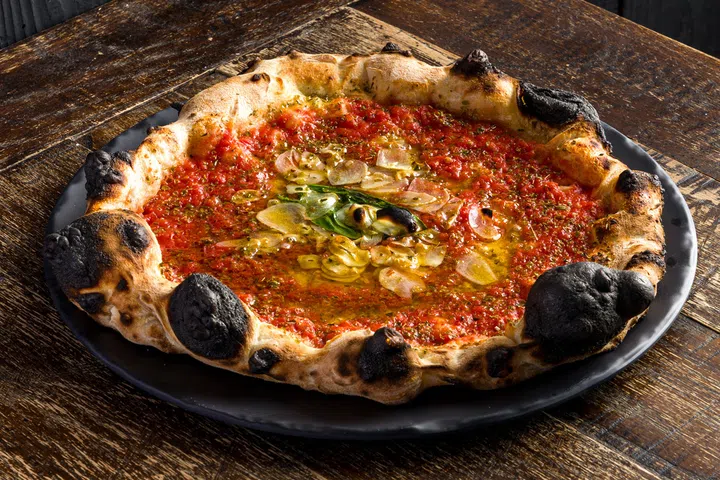
Singapore’s appetite for pizza seems insatiable. Adding on to a growing list of pizzerias were notable openings like Naples’ Vincenzo Capuano, which opened its first restaurant in Asia at Robertson Quay and Pizza Studio Tamaki from Tokyo, which also made its debut here with its salt-sprinkled crust.
After 15 years, homegrown innovative Middle-Eastern institution Artichoke retired its kebabs and mezze to become Artichoke Pizza Parlor, part 80s and 90s American-Italian pizzeria throwback, part new-school edge, that incorporates the fun-loving spirit of chef-owner Bjorn Shen.
Key openings
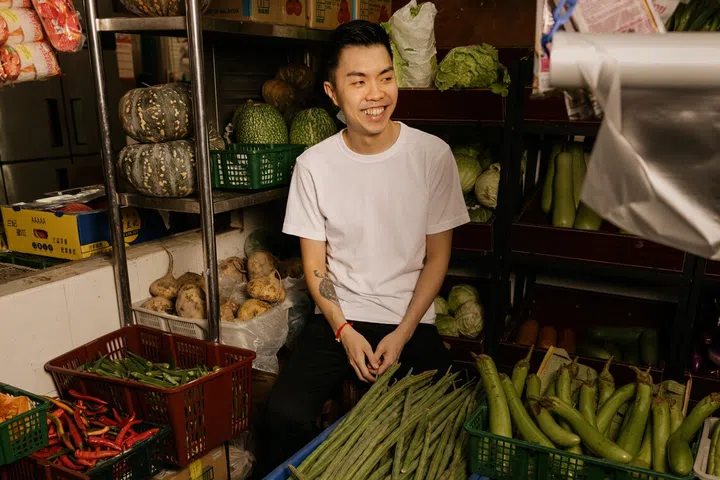
Mod Singapore restaurant Belimbing, which presents innovative takes on Singapore flavours and popular Australian chain, Gelato Messina opened here (finally) in May , to snaking but fast-moving queues at its Club Street store. The chain introduced local flavours like kaya toast, durian and even tau huay. Violet Oon Singapore opened its flagship outlet in Dempsey Hill, while renowned chef Andre Chiang makes a return to the Singapore dining scene with haute hotpot brand, Bon Broth, ahead of the opening of his fine dining restaurant at Raffles Hotel in 2026.
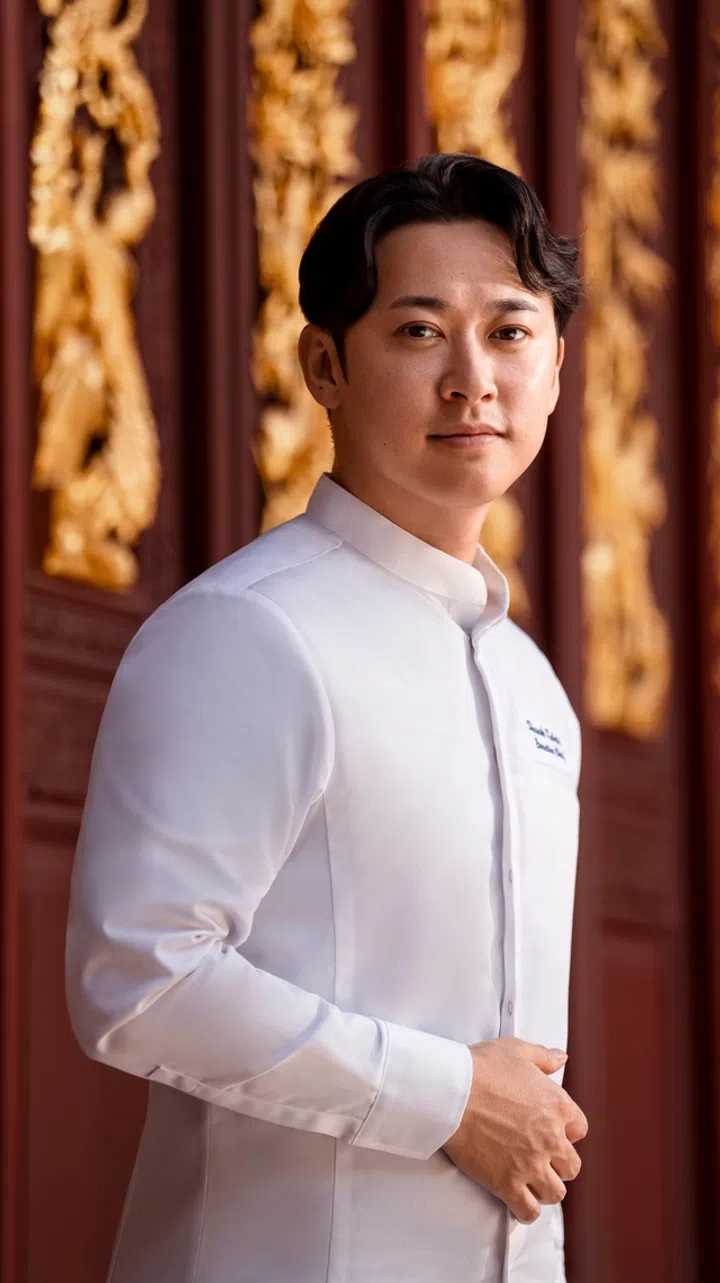
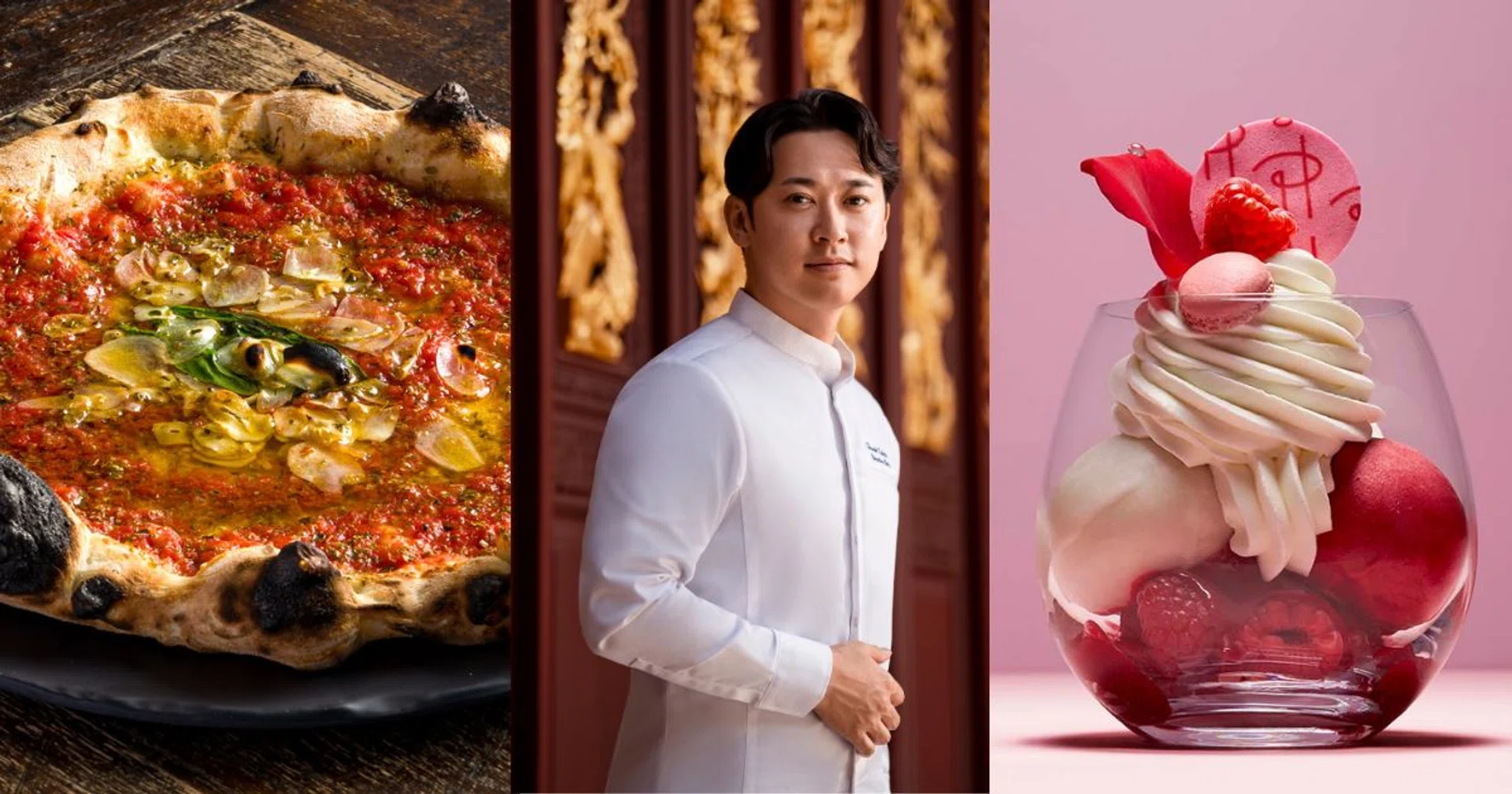
Loca Niru, a contemporary Japanese-French restaurant at the restored House of Tan Yeok Nee, which is one of my favourite new restaurants in 2025. Chef Shusuke Kubota spent 1.5 years researching and experimenting with regional ingredients from South-east Asia for a Kappo concept that diners can resonate more closely with and it shows.
One of the canapes, the frog meat roll with crunchy shards of kadaif pastry, looks like a Middle Eastern sweet, scores piquant points with the curry leaf aioli, which gave me craving for French fries. Slabs of maguro (fatty tuna) are smartly served with smoked tofu cream that gives the same smoky effect of being aburi-ed (flame-seared), while the side of calamansi vinegar delivers an elegant dose of heat and pungency, in place of wasabi.
The marriage of French and Japanese cooking is best showcased in the Oyasai course that has an extremely delicate layer of egg custard that lightly dissipates along with the vegetable bouillon, wando abalone and mushrooms, alongside an uplifting yuzu scent.
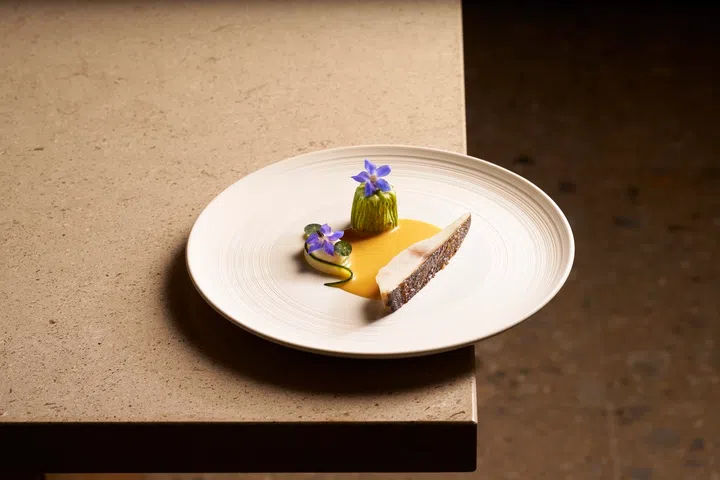
Chef Shu has also incorporated some Peranakan elements into his menu, something seldom seen by Japanese chefs. The Nyonya berre blanc, made with a lightly-spiced and fragrant rempah, is the star of the Wakayama grunt fish that is leaner but has a crisp wafer-thin skin. Mop up the plate dry with the buah keluak bread.
The wagyu is smoked over sugar cane pulp, and glazed with sugarcane juice, and the refreshingly sour kedondong is matched with muscat grapes in a dessert cup that I can keep going for more While the ingredients are humble, the level of cooking oozes sophistication and boasts a high precision in flavour.